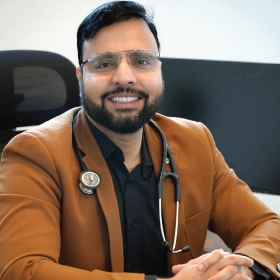

- Telehealth is the first and fastest way to reach your doctor. In most after-hours cases, telehealth can provide immediate remote GP access for a professional medical assessment, thereby eliminating the need to travel for hours.
- Mobile GPs help overcome physical distance: If in-home doctor visits are available, the clinic can be brought to you, allowing doctors to provide hands-on care for situations that cannot be solved through virtual consultations.
- Understand and utilise your local networks of care: The availability of different services can vary greatly. It is essential to understand the medical centre's functioning and capabilities in the area, the after-hours services in your location, and the time that is suitable to go to the local hospital.
- Timeframes: When planning a visit for in-person care, waiting time can depend on factors such as distance, weather, and clinical urgency. Therefore, it is essential to have a plan in place and to be patient.
Accessing Urgent Care in Regional Areas
Living in regional Australia offers the benefits of nature and a tight-knit community that the city can't. But it is also true that when a clinic closes after your child's sudden fever or a health concern happens to you on a Sunday afternoon, that feeling of vastness can quickly become a big problem. "Where do we get help from?" is usually answered by "How long will it take?"
The "tyranny of distance" has long posed a challenge to rural healthcare. However, the situation is no longer the same. The mix of innovative technology and mobile medical services staffed by skilled people is changing the scenery and eliminating these obstacles; thus, quality medical advice is coming to your home or device. Knowing how to use these means is the secret to handling rural urgent care indubitably. This book takes a realistic view of your choices and how you can get the right help when you need it as part of a nationwide network for after-hours urgent care.
Landscape Navigation: Options Available in Rural & Remote NSW
If you are looking for a doctor outside the standard 9-to-5, your choices differ from those of a big city. Awareness of the full range of available resources must greatly help and guide in deciding what to do next for your health. The primary options for a regional GP search in NSW are the following:
1. Telehealth Services:
This is the healthcare satellite for rural and regional people. It is an online access point for registered Australian GPs and can be reached via phone or computer. This is the most trustworthy service to call first for any kind of after-hours emergency.
2. Doctor on the Move (in-home) Services:
Such services usually send a GP to your residence. Although they may not be found in every remote area, they can cover many regional towns and their adjacent areas. Therefore, they are an invaluable source of support for patients who require a physical examination, especially children and the elderly, which can be performed only in person.
3. Local or Regional Hospitals:
Hospital emergency departments are places to go in case of emergencies only. However, in some small towns, the local hospital may also serve as a primary after-hours facility for minor urgent care. It is worth knowing the role of your local hospital in the community.
Usually, these roadmaps are not mutually exclusive but rather complementary. Many 24-hour medical services use telehealth for quick triage and communications with mobile doctors for further face-to-face examinations where necessary.
In severe emergencies, services such as the Royal Flying Doctor Service (RFDS) provide aeromedical care and remote clinics.
In areas where physical home visits are limited, we offer telehealth to ensure access for remote communities.
The Digital Doctor is In: Why Telehealth is Your First Call for a Faster Answer
For rural Australians, telehealth cannot be considered a matter of convenience but a practical necessity. It virtually removes the most significant barrier to rural healthcare: distance. In fact, this system allows you to make important healthcare decisions with a simple phone or video call, without even leaving your home. We maintain bulk billing to ensure affordable care in country areas where medical costs can be a burden.
Fast, Professional Triage When Every Minute Counts
What telehealth achieves, in the first place, is undoubtedly the fastest and most effective way to get a hold of the problem and thus find the solution. In fact, the doctor can sometimes also see them via video call after hearing the description. Therefore, within very few minutes, they can convey to you the seriousness of the situation. What they do is actually the most critical thing in the emergency, which is rapid triage - this answers all the questions that are most pressing in the case:
- Is it possible to be in charge of this at home with the help of rest and common drugs bought in the stores?
- Is it the case that a doctor's prescription is needed to start the treatment?
- Does this illness require a face-to-face check?
- Is this a critical situation that requires a trip to the hospital immediately?
That very first contact is of great importance. On the one hand, it saves people from unnecessary trips; on the other hand, it ensures that those who have to travel do so for the right reasons. An in-depth comparative analysis of telehealth vs in-person urgent care clarifies that both models serve different and essential purposes.
Avoiding Unnecessary Travel and Disruption
Let's say your daughter has a barking cough and a fever at 10 PM. There is a 75-minute drive to the closest 24-hour medical centre. The thought of putting a sick, crying kid into the car for a long trip is terrible. However, with telehealth, a croup diagnosis can be made, a prescription can be sent to your phone, and it's ready for you or anyone you choose to pick it up from the chemist, while your little one can stay home and rest.
The Reality of the Road: Setting Expectations On Time & Travel
Though telehealth is the solution to many problems, situations that require doctors' hands-on work still exist. Most importantly, when a visit to the home is necessary, expectations must be at least in part determined by the realities of country life.
Distance, weather, and road conditions are all very real factors affecting a mobile doctor's journey. Access may be limited during the bushfire season and periods of heavy rain, and travel times may be considerably longer. Though services that provide in-home visits try to let you know when they will arrive, these external factors are unavoidable in country living.
Additionally, all calls are dealt with according to the case's urgency. A patient showing potentially severe symptoms will be given priority over a more stable one. As a result, after-hours GP wait times may vary. The best way to deal with this is to pick up the phone and call as soon as you feel that medical advice is necessary. This allows the clinical team to evaluate your condition and place you in the appropriate queue, enabling you to receive their guidance while you wait.
Related articles
Need a doctor after hours
Our team is available 24/7 for bulk billed home visits across Australia.