
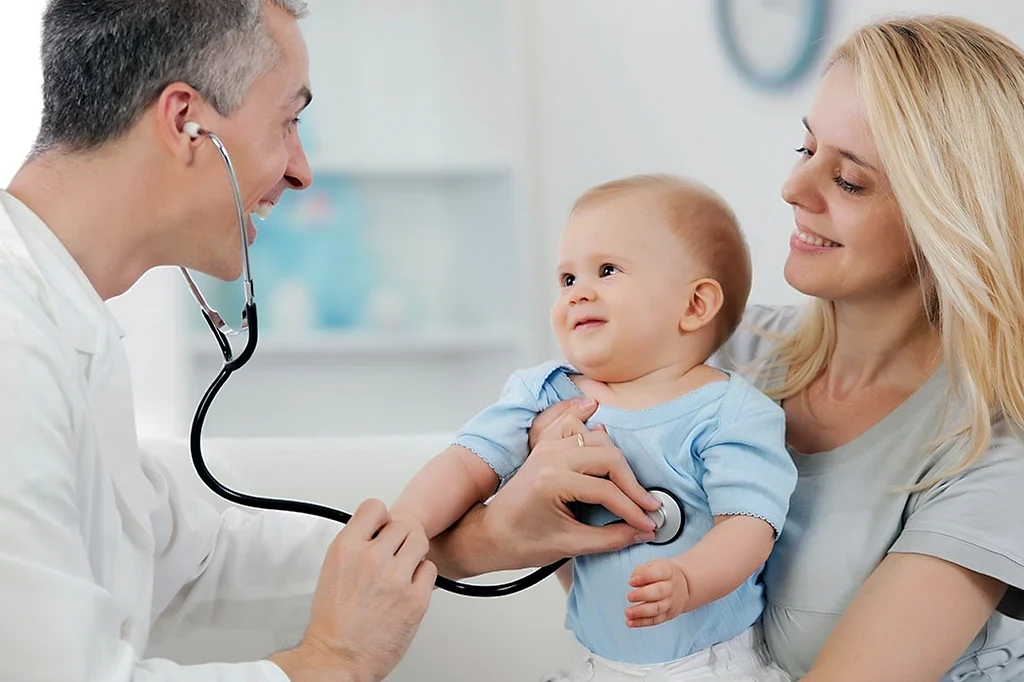
- Feel your gut, but also don't wait for a second before calling the after-hours GP: An after-hours GP is the right choice for urgent but non-emergency situations and can be a good call if a child is an active one with a high fever, vomiting, diarrhoea, a rash, noisy breathing due to croup, and minor injuries. Hypothetically, let's consider that, in addition to the indrawing (retracting) of the intercostal spaces, fast/difficult breathing, loss of consciousness, seizures, or cyanosis (bluing of the lips, face, or fingers) are occurring. You should dial 000 without delay.
- Preparation is in your hands: You will be able to complete your consultation in a very efficient manner if you have prepared in advance. Write down your kid's symptoms, gather their medical history (allergies, medications), and have a well-lit, quiet room ready for the consultation. It would make a great deal of difference both for the doctor and you.
- How convenient telehealth is for mothers and fathers? Through a video call, the physician can see and evaluate the child without having to come to the clinic. This is highly beneficial regarding the child's comfort and an excellent method for the most typical childhood diseases.
- Also, your regular GP is there: After-hours care works like a team game. If you give your consent, a comprehensive consultation report will be handed over to your child's regular doctor or pediatrician, thus ensuring that their health record is always complete and up to date.
A Parent's Guide to After-Hours Care for Kids
Night time is different from all the other hours and is usually perceived in the silence that follows it. A sudden chesty cough, the wail of a child, or an elevated temperature can, with terrible force, break this silence. At this time, parents find themselves in a stressful situation, having to decide what to do next. How serious is it? Should we wait till tomorrow? Or maybe we should go straight to the emergency room? The lack of answers leaves parents confused, and the only thought on their minds is making their child comfortable.
In these situations, after-hours medical services can be a real lifesaver. They represent the support one can count on during the night's quiet and provide solutions to children's health problems that are seldom life-threatening but still urgent and occur during the clinic's closed hours. Meeting your pediatrician at night may seem confusing, and this manual aims to empower you by clarifying when to call, how to prepare for a consultation, and what to expect from a non-emergency pediatric visit.Think of it as a guide to the night's mishaps that you can rely on for an after-hours care service provider.
When to Use an After-Hours GP for Children
It is just a hard moment when you have to decide whether your child needs a night visit to a GP or whether the doctor is the one to call instead. This checklist briefly summarises situations in which it is a good option to call an after-hours GP in NSW (Australia) for concerns related to your children. The main advantage is keeping your child comfortable at home during the examination.
Phone only for worries such as:
- High Temps: These would mainly be situations when elevated body temperatures remain unresponsive to treatment or any case of fever in an infant under three months of age. The key factor in determining whether a fever warrants a call is the child's behaviour. It is certainly worth the call if the kid is too lethargic or irritable.
- Throwing up and the runs: When the only thing that really matters is the loss of water in the body (for instance, fewer wet diapers, mouth being dry, no tears when crying).
-
Difficulty breathing: A barking, croup-like cough or
mild wheezing.
(Note: If serious breathing problems, bluishness, or severe indrawing of the chest muscles occur, the situation is life-threatening and requires immediate intervention.) - Rashes: Sudden rashes all over the body, hives, or skin problems that resemble infection.
- Discomfort: In your ears and accompanied by some symptoms. A very sore throat and stomachache that makes you worry.
- Minor Accidents: Twists, strains or little cuts where you don't know if mending by sewing is necessary.
- Not feeling good generally: There are times when you know your child is not feeling well. Follow your intuition as a parent. The expert's evaluation will give you the needed reassurance as well as provide a clear way forward.
The choice of the exemplary service is equally important. Knowing the difference between a telehealth visit and an in-person urgent care visit will help you decide on the quickest and best way to get the help you need.
Setting the Scene: Preparing Your Child and Your Home for a Visit
The way the doctor sees your child through the camera or at your place some preparation on your part can transform a stressful situation into a smooth, effective consultation. The calmer you are, the more relaxed your child will probably be. Stay alert to emergency signs in children, such as struggling to breathe or being unusually drowsy.
For a Telehealth Consultation:
A late-night telehealth GP visit is a convenient way to solve a problem with minimal stress. Completely benefit from it,
- Make a Consultation Zone: Pick a quiet room with good lighting for your consultation. A lamp that can be easily pointed (for example, a bedside lamp) will be suitable for the doctor when a rash, the throat, or your child's overall appearance needs to be seen closely.
- Get Your Details Ready: It is pretty tricky to remember details, especially when you are in a stressful situation. Write them down before you make the call.
- When and how the symptoms got worse.
- The exact temperature (if measuring with a thermometer).
- If there is any medication already given, write down the (name, dose, and time).
- The approximate weight of your child (it is crucial for the correct dosing of medication).
- Comfort Should Not Be Overlooked: Be sure your child's favourite toy, blanket, or book is with them. Since being in their environment is a big plus, use it to let your child feel safe.
- Preparation: Keep your Medicare card handy along with a list of known allergies or medications that your child may be taking.
For an In-Home Visit:
All the points mentioned before will be of help if a doctor is coming to your home, plus a couple of logistical points:
- Help them find your house: Keep your front porch light and the hallway lights on to make it easy for the doctor to find your home and come in.
- Open space: Ensuree path to your child is free of lumr trip hazards.
- Look After Your Pets: Even the most friendly animal can get nervous when a new person enters their space. It is better to put your pet in another room for the visit for everybody's safety.
The Morning After: Follow-Up With Your Regular GP
However, care from different places and people does not solve the problem thoroughly, as it is the first step of your child's continuous care, which is still with you. Genuine continuous care depends on the communication between all family healthcare providers.
A summary of the clinical findings emerged after the consultation, which was outside working hours. This report explains the doctor's findings, the diagnosis, and the treatment plan, and details any prescribed medicines. This summary will securely be sent to your child's regular GP or pediatrician if you allow. This is an essential stage as it:
- Keeps a Full Medical Record: This helps ensure your child's main health file is always up-to-date.
- Makes Follow-Up Possible: Your GP will know precisely what has happened and, if needed, arrange a follow-up appointment.
- School/Daycare Notes Made Easy: The consultation summary will help your usual GP provide any required medical certificates if your child has to stay home.
The smooth partnership between an after-hours GP and your regular GP is essential to providing your child with the best, most consistent care.
Related articles
Need a doctor after hours
Our team is available 24/7 for bulk billed home visits across Australia.