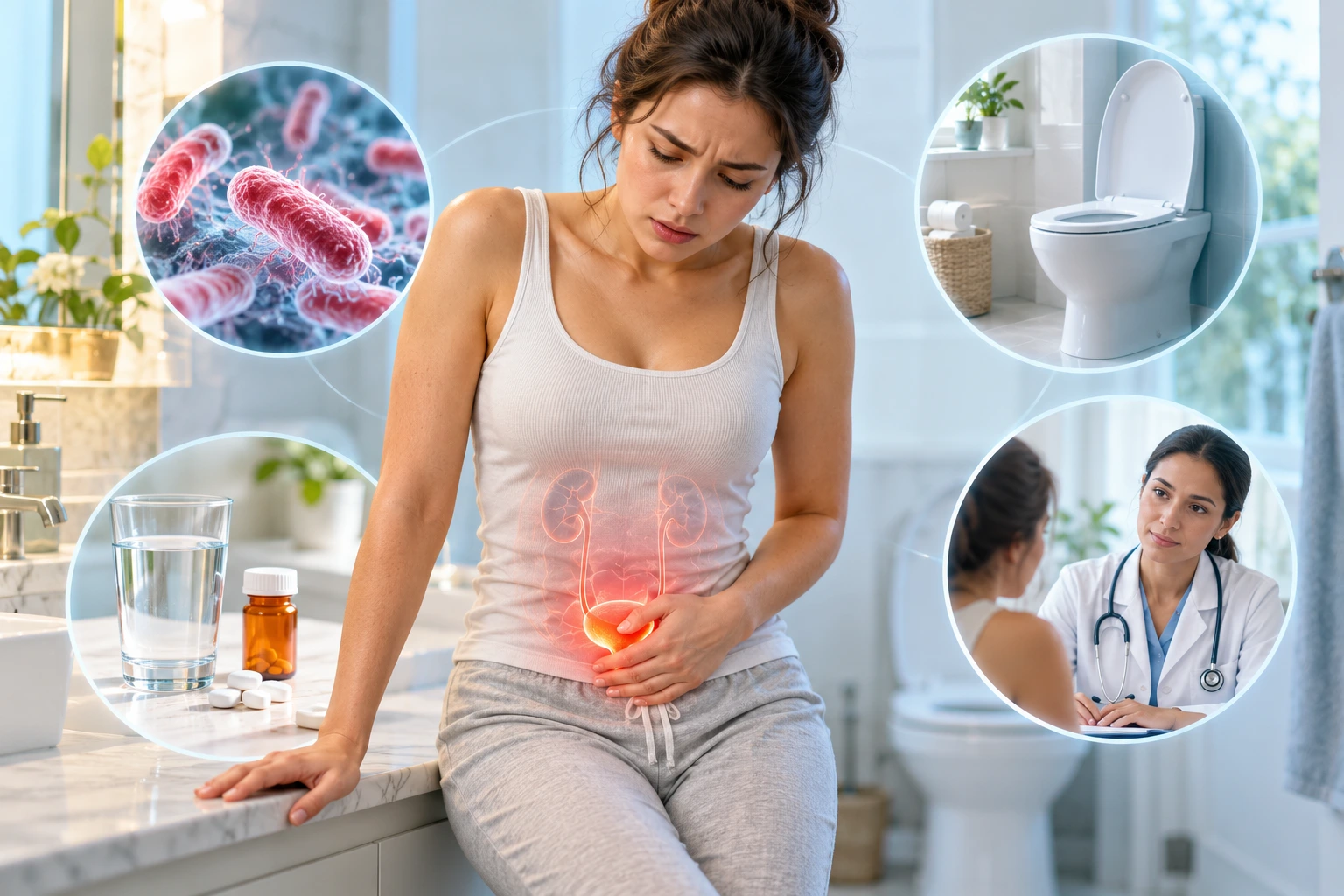
What is gastro?
Gastro, short for gastroenteritis, is an infection that affects your stomach and intestines and spreads easily from person to person.
Gastro symptoms
- Nausea and vomiting
- Diarrhoea (loose, watery poo)
- Stomach pain and cramps
- Fever, body aches and headache
- Tiredness, weakness and loss of appetite
What causes gastro?
Viruses are the most common cause, especially norovirus and rotavirus (healthdirect). Norovirus often causes outbreaks in aged care, schools and childcare, and rotavirus can be severe in young children (NSW Health).
Bacteria such as salmonella and campylobacter, bacterial toxins and parasites such as giardia can also cause gastro. Caught from food or water, this is often called food poisoning, with symptoms usually starting 6 to 12 hours after eating (healthdirect).
Young children, older people and anyone with a weakened immune system are most at risk of severe illness (NSW Health).
How is gastro diagnosed?
A doctor, including an after-hours GP, usually diagnoses gastro from your symptoms and an examination, including checking for dehydration. A stool test may be suggested if symptoms are severe or lasting, there is blood in the poo, or the illness was caught overseas.
How long does gastro last?
Gastro usually lasts a few days, though diarrhoea can continue for up to 10 days (healthdirect).
| Stage | What usually happens |
|---|---|
| Exposure to symptoms | Viral gastro: usually 1 to 3 days. Norovirus: usually 24 to 48 hours. Food poisoning: often 6 to 12 hours. |
| Days 1 to 2 | Vomiting, then it settles. |
| Days 1 to 3 | Diarrhoea. See a doctor if it has not improved after 10 days. |
| 48 hours after the last episode | Return to school, childcare or work. |
Is gastro contagious?
Yes. Gastro is very contagious, and some people spread it even without symptoms (NSW Health). With norovirus, people are usually infectious until at least two days after symptoms stop (NSW Health: norovirus).
It spreads through vomit or poo, contaminated food, drink or surfaces, close contact, and airborne particles when someone vomits (NSW Health).
When can you go back to school, childcare or work?
Stay home until 48 hours after the last episode of vomiting or diarrhoea. This applies to children and adults, including food handlers and health and aged care workers (healthdirect; NSW Health).
A Queensland Health emergency department fact sheet allows children back once diarrhoea has stopped for 24 hours (Queensland Health). Check your school or centre's policy. Waiting 48 hours is the safer choice.
After gastro, children should wait two weeks before going back to swimming (RCH Kids Health Info).
How to treat gastro at home
The main gastro treatment is fluids and rest. Viral gastro does not need antibiotics, although a doctor may use them for some bacterial or parasitic infections (healthdirect).
Adults
Sip clear fluids every 5 to 10 minutes and avoid sugary drinks, which can make diarrhoea worse. Eat simple food when hungry. Check with a doctor before taking anti-nausea or anti-diarrhoea medicines (healthdirect).
Babies and children
Offer small amounts often, even if your child is vomiting (RCH Kids Health Info):
- Breastfed babies under 6 months: keep breastfeeding and feed more often, and give oral rehydration solution (ORS) for the first 12 hours.
- Formula-fed babies under 6 months: small amounts often. If fluids are not staying down, give ORS for 12 hours, then return to normal-strength formula.
- Six months to three years: small, regular amounts of ORS (ORS icy poles work too) or half-strength apple juice mixed with water until vomiting settles.
- All babies and children under 3: offer a drink every time they vomit.
- Older children: a few mouthfuls every 5 to 15 minutes; try ORS, an icy pole or diluted apple juice if they refuse water.
Avoid lemonade, ginger ale, sports drinks and fortified feeds while your child is sick. They are high in sugar and can make dehydration worse. Over-the-counter vomiting or diarrhoea medicines may harm children, and aspirin should not be given (RCH Kids Health Info).
Signs of dehydration in adults, children and babies
Dehydration is the main risk with gastro. Babies under six months and children with bowel or kidney disease dehydrate more easily (RCH Kids Health Info).
| Adults | Children and babies |
|---|---|
| Passing little or no urine | Fewer than 4 wet nappies a day, or going to the toilet less |
| Dark or smelly urine | Very sleepy, drowsy or very thirsty |
| Feeling faint or dizzy when standing | Dry lips and tongue, sunken eyes or sunken fontanelle (soft spot) |
| Cold hands and feet, or fast breathing |
How to stop gastro spreading at home
Wash hands with soap and running water. Alcohol sanitiser is generally less effective against gastro viruses, so use it only when soap is not available (NSW Health).
- Wear gloves and a mask when cleaning up. Clean surfaces with hot, soapy water, then disinfect them, ideally with a freshly made bleach solution.
- Wash soiled clothing and bedding in hot water with detergent.
- Do not share towels or cutlery, or prepare food for others, until 48 hours after symptoms stop.
The rotavirus vaccine is part of the routine childhood immunisation schedule and prevents rotavirus infection in about 7 in 10 vaccinated children (healthdirect).
Related reading
- Urgent care vs the emergency room: which service suits which symptoms.
- Medications after hours: how to get medicines when your GP is closed.
- Late-night pharmacies: where to find oral rehydration solution after hours.
- How a telehealth GP appointment works: what happens during a phone or video consult.
- Telehealth for kids: when a video consult suits a sick child.
If gastro symptoms worry you after hours and it is not an emergency, 13CURE's AHPRA-registered GPs provide after-hours care across NSW and QLD, Monday to Friday 6pm to 8am, Saturday from 12pm, and 24 hours on Sundays and public holidays. You can book online or call 13 2873. For children, see after-hours care for kids.