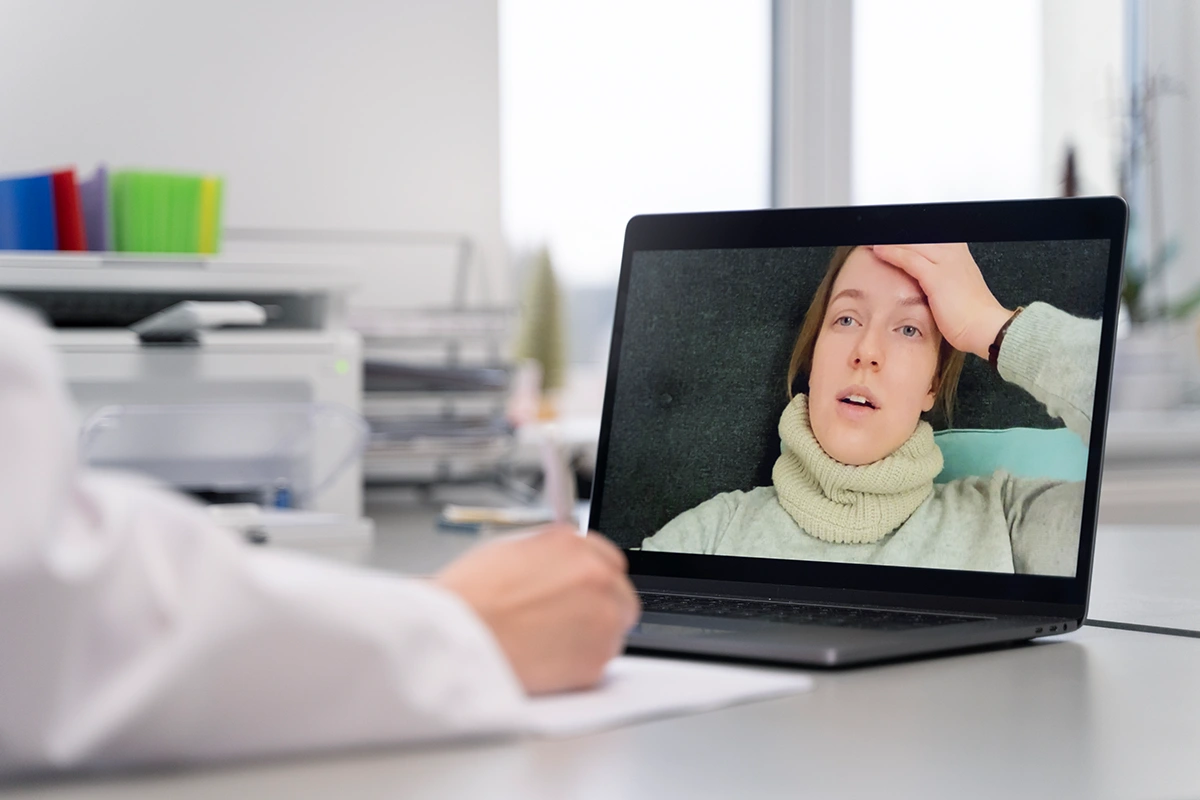

Digitising the healthcare system under the Medicare umbrella has opened up more avenues for patients to choose how and when they want to be treated. The moment you started to feel sick, you probably thought about enduring long waits in overcrowded clinics. Now, often, you can video call your doctor straight from home.
You see, this kind of convenience has also put patients in a predicament: how do you decide whether your symptoms require an in-person exam? At the same time, would a virtual checkup suffice physically? Mastering the art of choosing between these two routes will not only save you time but also prevent unnecessary expenditures and, most importantly, get you the best medically appropriate care.
To understand how the government regulates and funds these primary care options, our Bulk Billing & Medicare guide outlines the key rules. We also compare the pros and cons of both types of consults so you can make an informed decision for your wellness.
The Advantages of Telehealth Consultations
Telehealth consultations have become an effective, comprehensive tool for managing a wide range of healthcare conditions, including routine and urgent ones. They come in handy when mobility or time availability is a limiting factor.
Some of the aspects where telehealth stands out the most:
- Speedy intervention: Going to a virtual clinic is the fastest way to get medical advice, bypassing travel and waiting rooms.
- Controlling the spread of infection: If you think you might have caught a contagious bug like the flu or COVID-19, staying home will prevent the virus from spreading to elderly and other vulnerable patients in a physical waiting room.
- Simple prescription renewals and referrals: If you just want your daily medications refilled or a renewal of your specialist's referral, a digital consultation can handle this.
- Symptomatic Triage and Counselling: If your symptoms are unclear, a video GP can assess your appearance and advise whether you need to escalate to in-person care.
- Providing a safety net when local daytime clinics are closed: Digital platforms have become a really important safety net, especially when local daytime clinics are closed.
You can maximise the effectiveness of your telehealth consultation only if your end of the environment is stable. Setting aside time to prepare for your telehealth consult, and ensuring you have the right tech setup for the telehealth GP appointment, will help the doctor assess you effectively without dropouts or interruptions.
When Face-to-Face Consults are a Must
Despite how advanced video conferencing technology has become, it will never quite match face-to-face communication. Telemedicine is an extension of face-to-face care, not a replacement.
There is a strong argument for the need to be seen by a doctor if it is a face-to-face consultation that you should opt for (or an emergency room) if:
- Physical Examinations: Video consultations limit a doctor's ability to listen to a patient's heartbeat with a stethoscope, palpate the site of pain or an inflamed abdomen, or even examine the ear canal through a webcam.
- Diagnostic Testing: For immediate sample collection, blood tests, blood pressure checks, or ECGs, the patient must be on site.
- Procedural Interventions: Wound suturing, vaccinations, and foreign-body removal are examples of minor surgical procedures that require the patient's physical presence.
- Severe and Complex Symptoms: Symptoms such as sudden chest pain, difficulty breathing, impaired speech, or other neurological symptoms require an immediate switch to physical care. In these high-risk scenarios, it is essential to know the difference between urgent care and the emergency room.
Even if your condition requires a doctor to be present, but you are not able to travel, it may be worth weighing home visits against clinic visits to see whether a deputised doctor can come to your bedside.
The Royal Australian College of General Practitioners (RACGP) issues guidelines for doctors on the proper use of virtual medicine. Read more about their role here.
Meanings and Differences of the Costs and Medicare Billing
Your decision will also determine how the service is billed. The Australian government subsidises both modes of delivery, but each clinic has its own private billing policies.
- Telehealth Rebates: There are different MBS item numbers for virtual consultations. Yet many daytime clinics impose a "12-month rule": to claim a digital rebate, you must have visited the clinic in person within the past 12 months. We cover this topic extensively in our bulk billing and telehealth guide.
- Out-of-Pocket Charges: As secure digital infrastructure is costly to maintain, many clinics privately bill for virtual appointments, resulting in a gap fee.
For patient rights, safety, and digital health governance, the Australian Commission on Safety and Quality in Health Care offers excellent public resources.
13CURE's Innovative Model
When health problems hit at odd hours, 13CURE's lifesaver digital health service targets you and helps you decide how to act when you face sudden, unexpected symptoms. Our work helps every emergency department cope with its load.
- Hours of Operation & Service Delivery: Our after-hours urgent care service is dedicated to treating urgent cases only. From 11 PM to 7 AM daily, we handle non-emergency cases exclusively.
- Long-Term Medical Support: After-hours virtual care is for immediate needs only. For non-urgent cases and chronic condition management, it's important to see a regular GP during the day.
- Focused Bulk Billing: To care for our vulnerable patients, bulk billing is available for patients referred to 13CURE from partner practices, infants under 1 year old, homeless individuals, or those from a designated disaster area.
- Private Billing: All other patients outside of those specific demographics are charged privately for our 11 PM to 7 AM service. Our full list of fees and billing guide is available for you to review.
- Medical Certificates and Other Administrative Documents: Please note that medical certificates and other administrative documents are issued privately, and these sessions are charged privately, especially in our after-hours sector.
Regional Compliance
Our digital teams place a strong emphasis on providing quick access to care for our community in our working area. This includes an after-hours GP in Newcastle and around NSW and QLD.
If you are trying to choose your medical pathway but you are in Victoria, South Australia, Western Australia, or the Northern Territory, unfortunately, we do not service these areas at the moment. We plan to come in the future and will keep you updated. This would ensure compliance and avoid future problems.