Telehealth has rapidly expanded, and patients are naturally wondering if anxiety, depression, and other mental health issues can be handled online effectively and safely. Moving from confidential clinic rooms to digital screens certainly raises questions about confidentiality. Is it really safe to reveal your vulnerabilities over the internet?
When you use telehealth services for your mental health, knowing the strict rules that regulate these online interactions can give you great relief. Here is a rundown of how Australian privacy legislation keeps your very private information safe, who monitors the clinicians you see via telehealth, and the real challenges of obtaining psychological help remotely.
Can You Get Therapy via Telehealth?
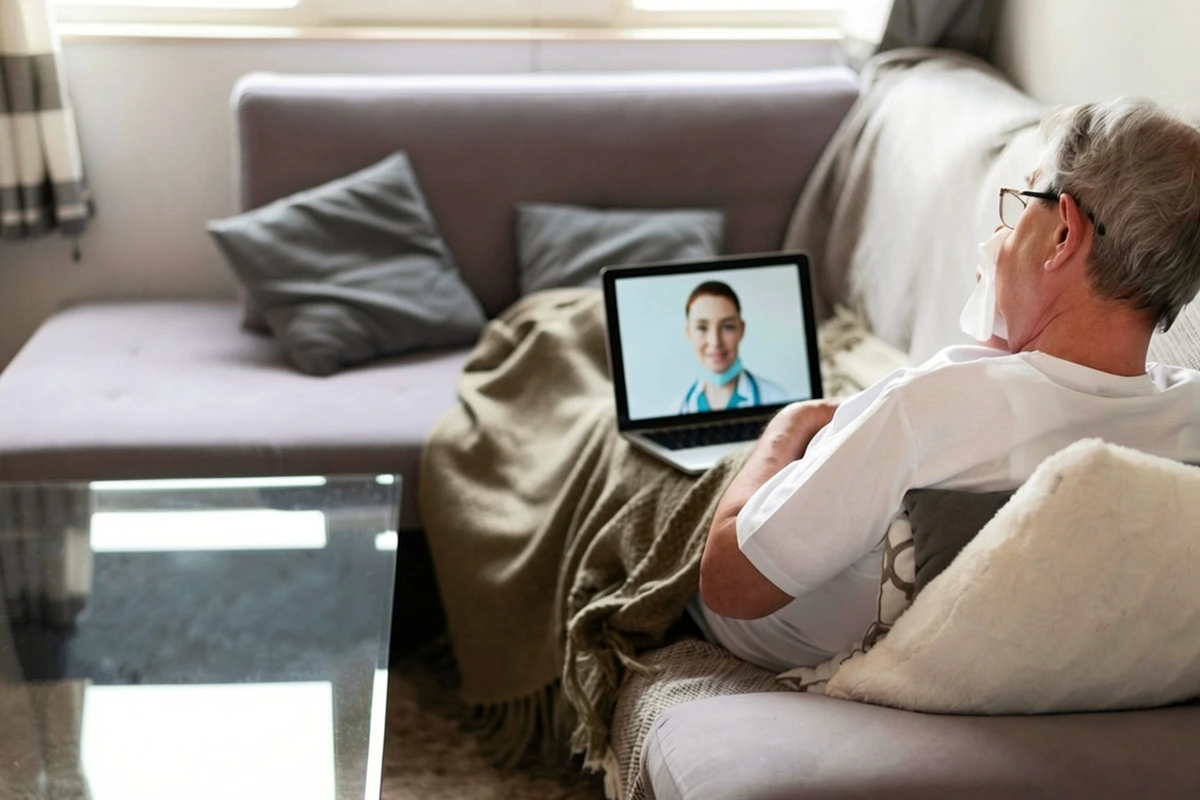
Therapy through telehealth is indeed available. The healthcare system in Australia relies extensively on digital solutions to ensure everyone has access to psychological support, regardless of location or physical constraints.
- Anxiety and Depression Treatment: Telepsychology has proven in many research trials to be an equally effective treatment as face-to-face therapy for individuals dealing with anxiety, stress, and mild to moderate depression.
- Clinical Referral: Generally, a general practitioner (GP) is your first step to get subsidised care. A GP can perform a digital consultation to determine your condition, and if a Mental Health Treatment Plan (MHTP) is suitable for you, they will arrange it. Here is information on how this particular subsidisation method operates within our bulk-billing for mental health in Australia.
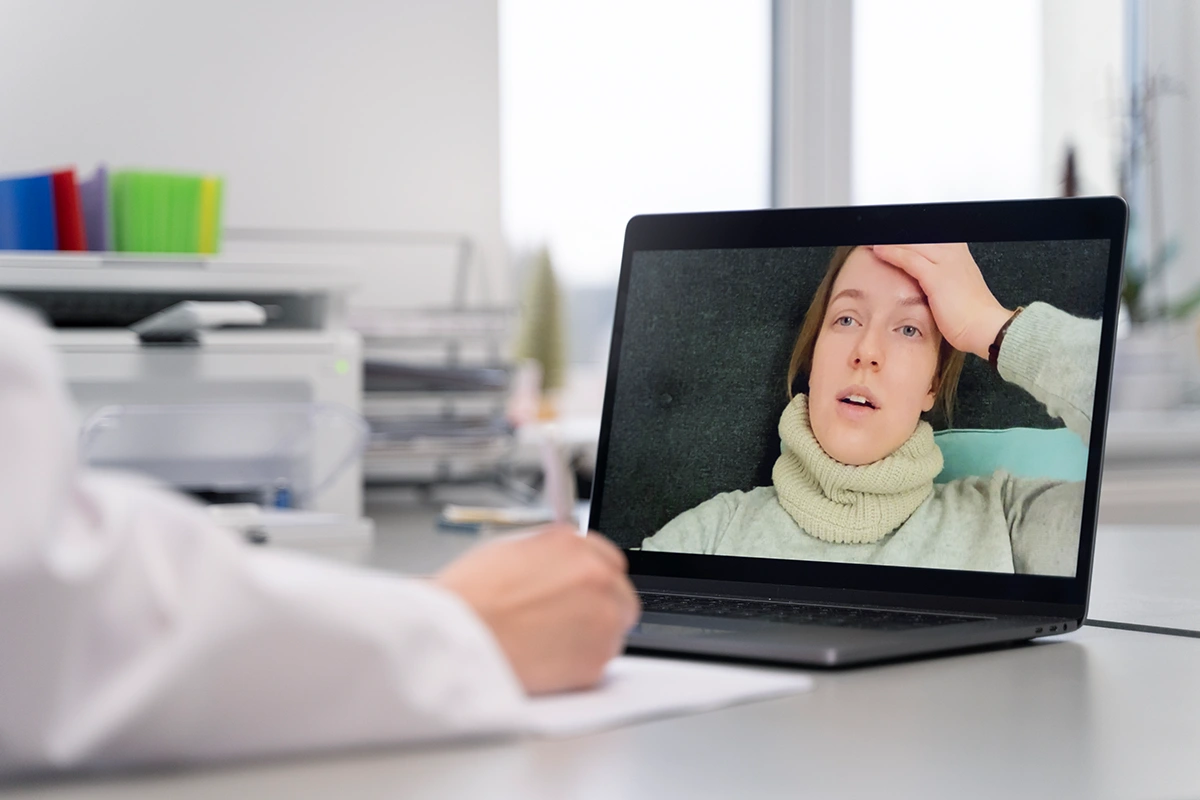
- Video Consultation: Both audio and video are legally accepted methods, but clinicians of mental health strongly favour video as it enables them to see essential non-verbal cues, facial expressions, and body language, which are very important parts of a thorough psychiatric assessment. Our telehealth vs in-person consults article compares the broader diagnostic differences between these two mediums.
How Do Privacy Laws Protect You?
Quite often, patients' main concern is whether their personal data is secure. Australian healthcare practitioners abide by the strictest privacy laws globally.
Whenever you have telehealth or online consultations, the confidentiality of your extremely sensitive health information is guaranteed by the federal Privacy Act 1988 and the Australian Privacy Principles (APPs).
- High-Level Security of the Software: Authorised clinics will not resort to public, unsecured apps such as social media video messaging. They use healthcare-specific, enterprise-grade, end-to-end encrypted software to ensure that third parties cannot intercept the video.
- Data Infrastructure: Clinical notes, diagnostic assessments, or any digital records resulting from a telehealth session must be kept on highly secure, localised servers. Telehealth providers have legal responsibilities for protecting client data.
- Impartial Ethics: Doctors and psychologists are prohibited from recording the audio or video of your consultations unless you have given them explicit, recorded consent. This is how we explain purchasing this form of permission before making the call on our patient consent and verification page.
For detailed information on how health information must be handled across the country, the Office of the Australian Information Commissioner (OAIC) is the source of extensive, independent public guidelines.
Who Regulates Online Mental Health Care?
The ability to simply download an app or use a website does not mean the standards of a health profession are compromised. All health professionals providing psychological services to Australians must be registered and regulated.
The most important regulator is the Australian Health Practitioner Regulation Agency (AHPRA), which works together with other boards such as the Medical Board of Australia and the Psychology Board of Australia. These bodies require that the care standard for a digital consultation be safe and equivalent to that of an in-person visit.
Additionally, the government recently legislated the National Safety and Quality Digital Mental Health (NSQDMH) Standards to regulate digital mental health resources and virtual service providers, ensuring ethical and effective operation.
How to Find a Registered GP?
Identifying a genuine doctor can be difficult in the digital world, where the tempting offer of a fancy wellness coach or a quasi-medical practitioner is just a click away.
- Verify Credentials: It is quite easy to check the credentials of any doctor, nurse, or psychologist by visiting the official AHPRA public register online and searching by name.
- Select the Established Providers: Reputable and established medical practices or deputised recognised medical services offer briefing sessions that you can trust.
- Consult and Confirm: A good doctor at the initial appointment should introduce themselves properly, provide their medical qualifications and primary practice location.
13CURE After-Hours Care & Mental Health Limitations
13CURE serves as a specialised safety net in the event of unexpected physical illness or distress at night. However, due to the nature of mental health as a continuous and structured care, there are strict boundaries in place.
- Cornerstones & Working Hours: 13CURE provides after-hours urgent care for urgent situations. Our working hours for Non-Emergency Telehealth are from 11 PM to 7 AM daily.
- No MHTP: 13CURE does not provide mental health care plans or referrals to psychology specialists due to the lack of time to get detailed knowledge of your health background, and relies solely on that for continued management.
- Private Billing Policy: The fee structure is quite specialised, and if bulk billing is allowed, it is only for partner practices deputised with 13CURE, except for infants under 1 year old, homeless individuals, or those from a designated disaster area. Other patients get charged privately. We are transparent about the fees and the billing guide.
- Medical Certificates: While we do urgent patient assessments after-hours, a medical certificate for a mental health day is not common. You can arrange a night-time consultation for a medical certificate during the session, but this will be charged privately immediately.
Geographic Service Areas
We have developed a digital infrastructure that meets the virtual care demands of geographically diverse communities within our active service areas. It is worth noting that at present, 13CURE's operations are deeply embedded in selective regions of New South Wales and Queensland.
If you need urgent medical advice and are located in Victoria, South Australia, Western Australia, or the Northern Territory, Source:
We are not currently offering our services in this area, but we plan to do so in the future and will keep you updated to prevent any compliance issues.