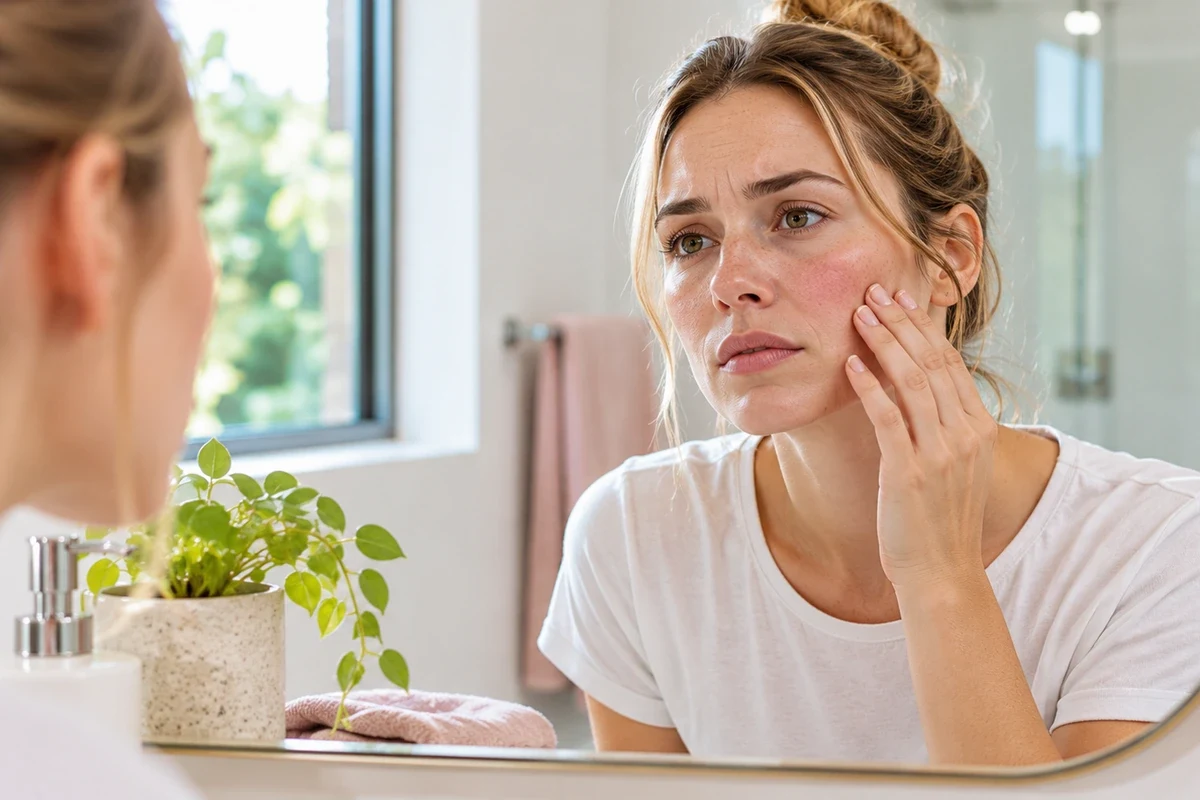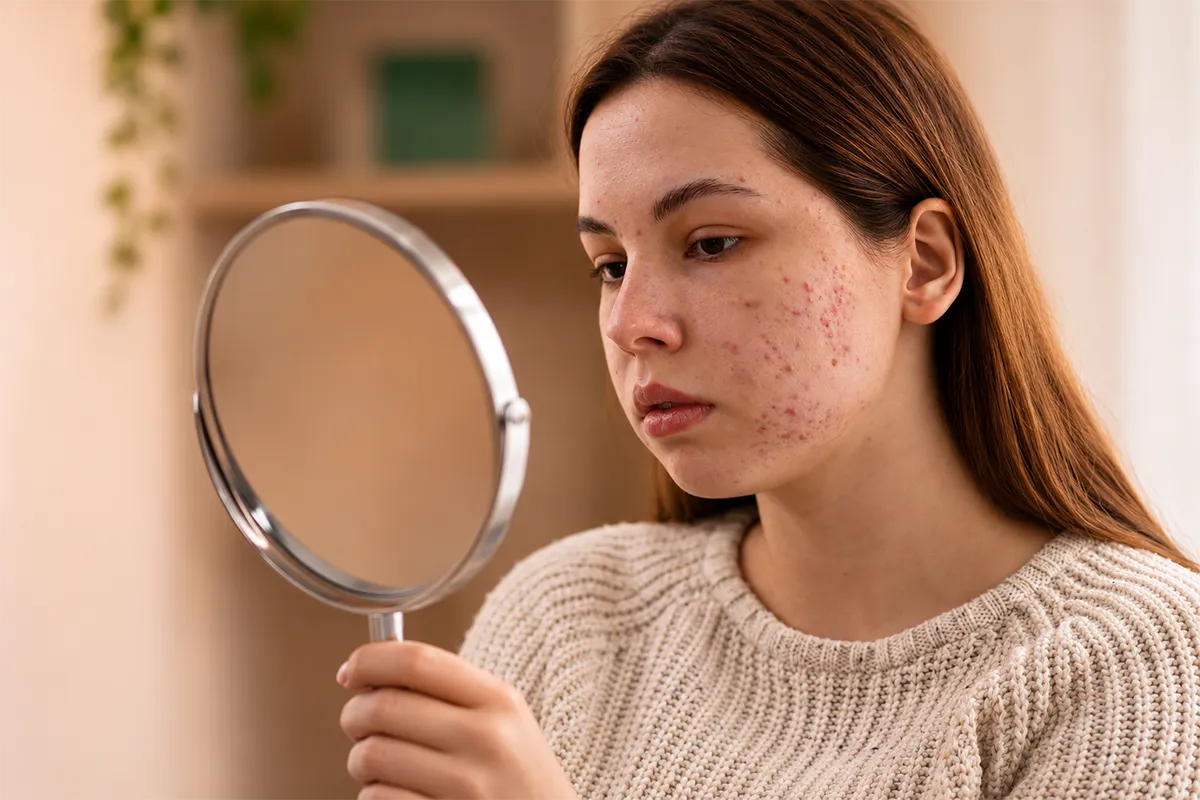
Skin care has become an industry of ten-step routines and expensive bottles, quietly burying what matters most. In a country where two in three people are diagnosed with some form of skin cancer before 70, the most useful thing you can do for your skin has nothing to do with serums. This is a doctor's view rather than a shopping list - what the evidence supports, and where a skin problem stops being cosmetic. If something has turned painful, spreading or feverish tonight, an after-hours GP consultation or a telehealth appointment can sort out what it needs.
A skin care routine that holds up
Dermatologists describe a far duller routine than the internet does, because the things with real evidence behind them are few and unglamorous.
- Cleanse gently with lukewarm water and something mild - stripping skin until it squeaks damages the barrier that protects it
- Moisturise while the skin is still slightly damp, when it holds water best
- Use sunscreen daily, not just at the beach
- Avoid fragranced soaps and harsh detergents if your skin reacts easily
- Do not pick, squeeze or scrub at anything
That is most of it. Price is a poor guide to whether something works, and comfortable skin does not need more products added to it. A specific concern - persistent acne, rosacea, eczema that keeps flaring - is a conversation with a GP or pharmacist rather than a problem to solve by buying more.
The most evidence-backed anti-ageing step there is
Most visible skin ageing in Australia is sun damage, not time. Fine lines, pigmentation, leathery texture - the bulk of it is ultraviolet exposure accumulated over decades, which is why your forearms look older than skin that has stayed covered.
That makes daily sun protection the most effective anti-ageing measure available, and it costs less than almost anything marketed as one. UV cannot be seen or felt and stays high on cloudy days, so check the daily UV level and protect your skin whenever it is 3 or above.
Sunscreen is one part of it. Shade, a hat, covering clothing and sunglasses do as much work, and sunscreen is not a licence to stay out longer. Reapply every two hours, more often after swimming or sweating.
What "natural" actually means on a label
Very little, as it turns out. "Natural" is not a regulated term in skin care, so it tells you nothing about what is in the bottle or whether it suits you.
It also does not mean gentle. Essential oils, citrus extracts and plant fragrances are common causes of contact dermatitis, and the DIY recipes that circulate online - lemon juice, bicarb, undiluted vinegar - genuinely damage the skin barrier. Plenty of natural ingredients are fine. The words on the box are not always what they seem.
Checking your own skin
This is the part of skin care Australians should actually be doing monthly. Cancer Council advises looking for a spot that is different from your others, or that has changed in size, shape, colour or texture. Also a spot that is tender or sore, and any sore that has not healed within a few weeks or that itches or bleeds.
Check everywhere, including places the sun rarely reaches - backs of legs, scalp, between toes, soles of feet. Ask someone for the spots you cannot see.
One thing worth knowing: research has found smartphone apps cannot reliably detect skin cancer. A new or changing spot needs a doctor, not an algorithm.
When a skin problem becomes a medical one
Skin care stops being cosmetic at a fairly clear line. See a doctor about:
- Redness that is spreading, warm and tender - particularly with fever, which can indicate cellulitis
- A boil or lump that is growing, very painful, or has a surrounding red flare
- Any wound, bite or sting getting more painful, red or swollen after the first day or two
- A painful band of blisters on one side of the body, which may be shingles and is time-sensitive
- Eczema or psoriasis flared beyond what your usual routine manages, or looking infected
- Any rash that is spreading rapidly, or is not improving after a few days
Skin infections genuinely do worsen overnight, which is what an after-hours service exists for - a bulk billed telehealth appointment is usually enough to work out whether something needs seeing in person.
A rash that needs 000
|
Where 13CURE fits
Not cosmetic skin care, and not skin checks - those belong with your regular GP or a skin clinic during the day. 13CURE covers the after-hours end: a skin infection that has flared, a bite turning nasty, a rash in a child at 9 pm, suspected shingles, an eczema flare that has got away from you. Bookings run Monday to Friday 6 pm to 8 am, Saturdays from 12 pm, and 24 hours on Sundays and public holidays. Consultations are bulk billed for eligible Medicare and DVA cardholders - the bulk billing GP page covers eligibility, and a home doctor visit may be available depending on location, listed on the areas we cover page.
| For a skin concern after hours, book a consultation online. For a non-fading rash or breathing difficulty, call 000 instead. |