That 3 AM Fever: Understanding the Flu Season Challenge
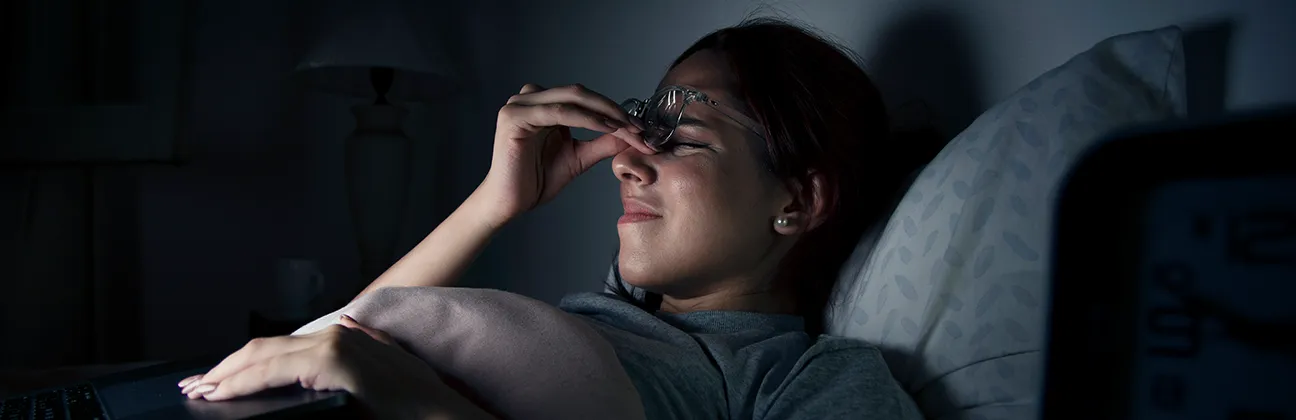
As a GP, I pretty much see the same thing every winter. It is 3 AM, the house is dark, and you are suddenly awake. Your child is hot with fever, or you are cold with such terrible body aches that you cannot get any sleep. At that very moment, the feelings of panic and confusion take over you: Is this serious? Can it wait until the morning? Where shall I go for help?
The recent flu seasons have not been easy for Australians. In 2024, we witnessed the highest number of influenza notifications ever. The year 2025 brought another severe season, and for the first time since the pandemic, the number of flu-related deaths in August exceeded those of COVID-19. All this is happening against the backdrop of a significant decline in childhood flu vaccination rates.
High infection rates create an ideal storm, leading to a surge in demand for health services. When people are sick, worried, and unsure where to go, they usually head to the nearest Emergency Department (ED). Statistics show that more than one-third of emergency department visits in Australia are for lower-urgency conditions, and almost half of these visits occur after hours.
This article is not only about helping you get well quicker. It is about giving you the power to choose the right thing at the right time. Knowing your options, you will be able to provide your family with the most suitable care and, at the same time, help reduce the burden on hospital EDs, which are vital for life-threatening emergencies.
I want to be your GP with this pocket guide. I will tell you why you are feeling so terrible at night, point out the exact things (the red flags) to be on the lookout for, and draw a clear route of your options, starting from self-care to telehealth and a home visits GP, so that you can decide calmly and confidently when you are in great need of it.
Why Do Flu Symptoms Always Feel Worse at Night?
Before I proceed with the explanation, let me assure you that it is not your imagination. That feeling that the virus comes alive when the darkness sets in is, in fact, a real biological phenomenon.
It is certainly not that the virus is getting stronger on its own. Your immune system is fighting the infection, and what you are feeling is the result of that. This fight, better known as the inflammatory response, is the main culprit behind your symptoms worsening after hours or changing at night.
The Role of Your Internal Body Clock (Circadian Rhythm)
Your internal clock or circadian rhythm operates over 24 hours. The clock not only regulates one's sleep; it also controls hormones, body temperature, and the immune system.
This internal clock controls the hormone cortisol. Usually labelled the stress hormone, it is also the body's most potent natural anti-inflammatory agent.
What is essential here:
- During the day, the levels of cortisol in your body are at their peak naturally. This not only wakes you up but also reduces immune system activity, lessening inflammation so that the body can get on with its daily routine.
- During the night, as you prepare to sleep, your cortisol levels are considerably lower.
This reduction in the body's natural anti-inflammatories during the night is akin to stepping outside the immune system. The immune cells in your body are now free to move about, join the war, and fight the invader by releasing a massive amount of chemicals. This vigorous immune war is marked by high fever, heavy sweating, and deep, stiff muscles as your body does its job, but it is an awful feeling.
The Problem with Lying Down
Besides, the feeling of getting worse also has a simple mechanical explanation. When you are standing during the day, gravity helps clear mucus from your nose and sinuses.
If you lie down in bed, mucus can no longer be drained. It collects in the back of your throat (which is the reason for post-nasal drip) and also in your sinuses. This accumulation results in severe sinus pressure, a headache, and a persistent cough that seems to start at the moment your head rests on the pillow.
Where to Go for Help: A GP's Triage Guide for Flu Season
The most common thing I hear from patients is: Doctor, I didn't want to bother the hospital, but I was too sick to wait for my clinic to open. This confusion is the main reason for the existence of after-hours GP services and Medicare Urgent Care Clinics (UCCs).
As I explained, many non-emergency cases presenting after hours lead to a large number of visits to the Emergency Department, which, in turn, causes overcrowding in these facilities. So, the question of the most appropriate place to go for help is not only about the best way to help yourself and your family, but also about the best way to help the entire health system.
Pursuing the best service is not only about following the rules; it is mainly about delivering the best, fastest care. An emergency department is definitely not the quickest place where you can get help in a mild case of influenza, and you will probably have to wait for a very long time. On the contrary, an after-hours GP is precisely for situations like this.
This is the Right Care, Right Place guide that I provide to my patients.
Your After-Hours Triage Guide: Flu Season Edition
| Service | Best For | Flu-Related Examples | How to Access |
|---|---|---|---|
|
Your Regular GP |
Routine, preventative, and chronic care. |
Getting your annual flu vaccine is a non-urgent flu follow-up. |
Book an appointment during business hours. |
|
After-Hours GP (13Cure) |
Urgent, non-life-threatening issues that cannot wait until morning. |
Worsening flu in a child; flu symptoms in a high-risk person (e.g., elderly, asthma); high fever; needing a medical certificate for work. |
Call for a Telehealth (phone/video) or in-home GP visit. Often bulk-billed for eligible patients. |
|
Urgent injuries & illnesses that need to be seen, but aren't emergencies. |
Respiratory illness (if you can travel), sprains, minor fractures, cuts needing stitches, and UTIs. |
Walk-in service. Open extended hours, 7 days. Bulk-billed. |
|
|
Hospital Emergency Dept. (ED) |
Life-threatening emergencies only. |
Severe difficulty breathing; chest pain; sudden confusion; seizures; a non-fading rash. |
Call Triple Zero (000) or go to your nearest ED. |
This section is the most crucial one in the whole manual. As a doctor, I want you to really understand the signs that indicate this is an emergency.
These red flag symptoms have to be taken to a hospital for immediate assessment. Do not wait to call an after-hours GP. Dial Triple Zero (000) or go straight to your nearest Emergency Department without stopping to look for parking.
Red Flags in Adults
If you experience any of the following signs, you should immediately seek medical help:
- Difficulty breathing or shortness of breath
- Persistent pain or pressure in the chest
- Sudden confusion or new onset of dizziness
- Inability to stay awake or be roused
- Severe or continuous vomiting
- High fever accompanied by a rash
- Severe muscle pain (unbearable to the extent that walking is impossible)
- Symptoms initially improve, then worsen, with fever and cough returning.
Red Flags in Children & Babies (Do Not Wait)
A sick child can be a nightmare for parents. Follow your instincts. If your child or infant exhibits any of the following symptoms, immediately call Triple Zero (000) or proceed to the hospital:
- Extremely drowsy, floppy, or difficult to wake up
- Difficulty breathing: Inspect for grunting sounds, rapid breathing, skin at the ribs or neck sucking in, or nostrils widening
- Pale, blotchy, or blue skin, lips, or tongue
- A rash that remains the same colour when you press on it (using a clear glass to test)
- A seizure (fit or convulsion)
- An ongoing, high-pitched, or "changed" cry
- Dehydration symptoms: No wet nappies for 4-6 hours (for a baby) or 6-8 hours (for a child), sunken eyes, or absence of tears when crying
- If they deteriorate rapidly, as a parent, you are the expert on your child. Trust your instinct.
A Special Note for High-Risk Groups
For most healthy people, the flu is just an unpleasant, one-week illness. But some people can have severe flu or even die from it.
You are a high-risk group if:
- You are 65 years old or above
- You are a child under 5 years of age
- You are a person of Aboriginal and/or Torres Strait Islander descent
- You are pregnant
- You have a chronic (long-term) medical condition, such as asthma, lung disease, heart disease, diabetes, kidney disease, or a weakened immune system.
For those who belong to one of these groups, the point at which they need to seek help is much lower. Please do not attempt to "tough it out". At the first indication of flu symptoms, get professional advice by calling an after-hours GP service.
When to Call an After-Hours GP for the Flu
So, you've checked the list, and there are no "red flags"; however, you or a family member is still very sick, and you are concerned. This is precisely why after-hours GP services are there.
We should be getting a call from you if:
- Firstly, you should be aware that I just mentioned several high-risk situations, and you are in one of them.
- If your child runs a high fever, and even if red flags are absent, and you, as a parent, feel concerned and need professional advice.
- If your symptoms, such as cough, body pain or fever, are severe and you require a doctor's examination.
- If you are vomiting and cannot maintain fluid intake.
- If you will be absent from work or university tomorrow, please provide a medical certificate.
- If you want a doctor's support and a clear management plan.
Case Study: A Tale of Two Patients: The Patel Family's 10 PM Flu Assessment
This situation, based on the kinds of calls we handle every night, demonstrates why expert triage is so vital.
The Scenario: 13Cure receives a call from Priya at 10 PM. She is concerned about two individuals in her house. Leo, her 8-year-old son, has had a high-grade fever for 2 days but is still bright and talkative, drinking fluids. Next door, Anika, her 72-year-old mother, has just started coughing and is extremely weak, shivering, and experiencing body aches. The whole family was vaccinated against the flu three weeks ago.
The Expert Triage: The 13Cure GP sorts the call and makes an assessment. They first look at Leo via video call.
As he is a low-risk case, alert, and his symptoms are mild, the doctor reassures Priya. Besides, the GP provides a clear plan for cooling down and hydrating to treat Leo's fever. And, they give her a specific list of "red flags" to monitor.
The Decision: Next, the GP shifts the attention to Anika. Being elderly (very-high-risk) and experiencing a burst of symptoms within the first 48 hours, the doctor understands that the risk of her getting complicated is very high. To check her breathing, oxygen saturation and body temperature, the physician arranges a home visit.
After conducting the on-the-spot examination, the doctor diagnoses her with influenza and, because she is at high risk and was seen early, provides a treatment plan that lessens the severity of the virus and thus prevents hospital admission.
The case study explains why after-hours care has turned the game around. It isn't a one-size-fits-all solution. The GP's expert triage helped both patients in different ways: Eli, the low-risk child, got reassurance and monitoring, while Anika, the high-risk grandmother, was timely and in-person assessed.
Are GP Home Visits Safe During Flu Season?
This is a question I hear a lot. People worry, "Will the doctor bring germs into my home?" or "Am I putting the doctor at risk if I have the flu?"
Let me assure you: Yes, GP home visits are highly safe.
The arrival of an accredited after-hours GP at your home is very different from a visit by a friend. It is a clinical procedure performed under stringent nationwide infection-control regulations, which are as rigorous as those in any hospital or your local GP clinic. These standards are set by organisations such as the Royal Australian College of GPs (RACGP).
How Our Doctors Keep You Safe (and Stay Safe)
- Triage at First Contact: The safety protocol begins with your phone call. We ask the patient questions about the symptoms. 24 This gives the doctor a chance to get ready even before the actual face-to-face consultation fully.
- Personal Protective Equipment (PPE): Our doctors are equipped with and knowledgeable about the proper use of all requisite PPE, including masks, gloves, and eye protection, depending on the clinical scenario.
- Strict Hand Hygiene: This is the fundamental and primary infection control measure. Our doctors are very strict about handwashing and the use of alcohol-based hand rub before, during, and after every patient encounter, and they do so to the letter.
- Cleaning of Equipment: The "doctor's bag" and all gadgets (e.g., stethoscopes, thermometers, and blood pressure cuffs) are cleaned and disinfected thoroughly, in accordance with strict national standards, between each visit.
For a home visit, which in many cases may be the best solution, especially for older adults, ladies with kids, disabled persons, or those who cannot leave their homes, a sick person is actually safer than if they were taken out to sit in a crowded waiting room.
How Services Like 13Cure Manage the Flu Season Rush
"The flu season is terrible. Will I be able to get a word in with someone?" This is a legitimate concern. When demand reaches community-wide levels, the solution is not simply to "work faster"; rather, it is to "work smarter" by employing a "telehealth-first" system and expert triage.
The Telehealth-First Strategy
The widespread use of telehealth has brought about a radical change in after-hours care. Instead of being a "fallback" solution, a telehealth contact (either by phone or video) is often our very first and most effective tool.
Through such a call, a doctor can fast and safely:
- Examine the patient (a child or a low-risk adult, especially)
- Provide an unambiguous management plan along with reassurance
- Issue electronic prescriptions to the local pharmacy
- Provide medical certificates for work or school
This method allows us to assist a much larger number of people than if we were obliged to make a drive for each home visit.
The Power of Expert Triage
When you contact an after-hours facility at the peak of flu season, you are not merely put on hold. A health professional with proper training evaluates your condition. The triage process, supported by clinical instruments such as "POPGUNS" (Prioritisation of patients: a guide to urgency for non-clinical staff), lasts seconds, and patients are therefore not arranged in the order of the time they called, but rather according to clinical urgency.
So, a 72-year-old person with breathing problems (like Anika in our case study) will receive the emergency response first, while a 25-year-old needing a medical certificate can be safely managed via telehealth.
The key to this model lies in the combination of "telehealth-first" and "triage-led". It is what frees our in-person doctors from the Roving Need Examining bucket. It only lets them accompany those who really need a face-to-face check, e.g. the elderly, very young children, or the clinically complex. The way the community's demand is managed is efficient and safe.
Your GP's Summary: Trusting Your Gut, Armed with a Plan
Being sick at night and taking care of a sick person can make one feel alone and scared. The most crucial things that I want you to get from this detailed guide are:
- That terrible 3 AM fever spike is a regular (although very unpleasant) part of your body's strong immune response.
- The "red flags" are unmistakable and non-negotiable. They are real emergencies.
- There is a robust, safe, and efficient care system that can take care of you in the "grey zone" situation, i.e., the time when you are too sick to wait but not sick enough for the emergency department.
After-hours GP services are the game-changer because they fill this gap, providing expert triage and care right in your home. Don't play guessing games. If you don't have to, don't stay in an ED for eight hours. And please, please don't just "tough it out" if you're in a high-risk group. Keep our "Where to Go" guide handy and be aware that professional, safe help is just a call away.
Key Takeaways
- Flu Feels Worse at Night: This is a legitimate biological
- Red Flags Are There: For adults, difficulty breathing, new confusion, and chest pain are some of the signs. For children, signs include being very drowsy, having pale or bluish skin, and difficulty breathing. "Triple Zero (000)" emergencies are what these are.
- An Explanation of the Three Previous Points Is Provided in "When and How to Use After-Hours GPs" Section: The Addition of in-Home/Faceto-Face, Phone or Online-Contact Versus ED Assessment Makes Up the Crucial Part of After-Hours GP Services, Closing the Gap between "Urgent, Non-Emergency" and "Emergency" Categories: Designed to Evaluate, Manage, and Ease You Concerning Those Severe Flu Symptoms Which Can't Wait for Your Regular GP but Do Not Belong to an ED, the Work of After-Hours GPs Is
- Triage Means Safe Handling, Not Waiting in a Queue: The Presence of Expert Triage and the Adoption of a "Telehealth-First" Model Together Assist in Providing Care to Those in Most Urgent Need and Also to High-Risk Patients (Such as Elderly or People with Chronic Illness) on Priority Basis, and in Quite a Short Time Thus Thereby Ensuring Quick Responses to Their Requests for Help
- Visiting Doctors at Homes Are Not Dangerous: A Medical Professional Performing a Home Visit, Which Has Been Accredited, Adheres to Very Strict Infection Control Standards Set out on a National Level, which Include the Use of PPE and Hand Hygiene, and is Thereby a Secure, Efficient Care Method.