
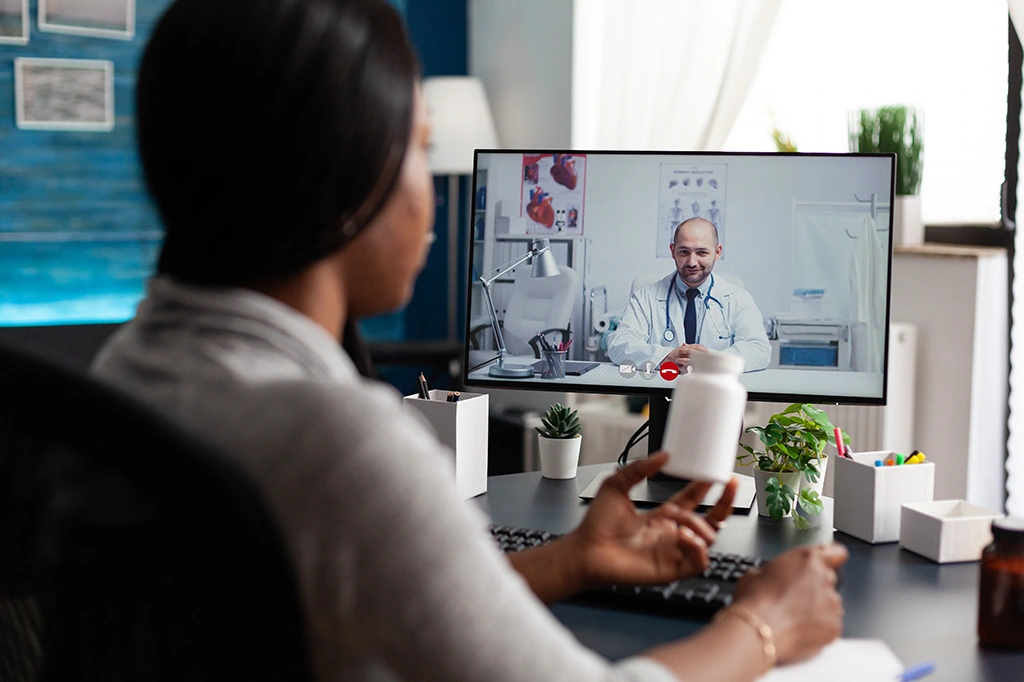
A 13CURE telehealth consultation can end with an electronically sent prescription, where clinically appropriate, rather than a paper script you have to carry somewhere. Here's how the assessment and delivery process actually works.
How Doctors Assess Medication Needs
A telehealth GP uses the same clinical assessment an in-person doctor would before deciding whether a prescription is appropriate: your symptoms, history, and any relevant risk factors. Australian doctors follow prescribing standards set by AHPRA and the Royal Australian College of General Practitioners (RACGP) regardless of the consultation channel, so a telehealth appointment doesn't reduce the scrutiny applied before prescribing medication.
Sending eScripts Securely to Pharmacies
If a prescription is appropriate, you'll receive a secure digital token by SMS or email, along with a QR code with the same legal standing as a paper script. Take it to almost any Australian pharmacy, not just one linked to your usual doctor, and the pharmacist scans it to dispense your medication. HealthDirect's eScript explainer covers the token system in more depth if you want the full national picture.
When a Script May Not Be Given
Not every consultation ends in a prescription. Sometimes advice, monitoring, or a referral for an in-person assessment is the safer route. Where ongoing management fits better with your usual doctor, the consultation notes support continuity of care with your regular GP rather than the telehealth visit standing alone.
Repeat Prescriptions vs New Prescriptions via Telehealth
A repeat for an existing, stable medication is usually simpler to assess by telehealth than a brand-new prescription for something the doctor hasn't reviewed before. For a new medication, expect more detailed questions and, in some cases, a recommendation to see someone in person first, particularly when a physical examination would change the clinical picture.
Which Pharmacy Receives Your eScript?
Your choice. The token isn't locked to one pharmacy. Forward it to your preferred local chemist, present it in person, or use it with a pharmacy that delivers. Some patients use an Active Script List instead, letting a pharmacy see all current eScripts in one place rather than juggling separate tokens for repeats.
Are Controlled Medications Available via Telehealth?
Generally, no. Most Schedule 8 controlled medications require an in-person assessment under Australian prescribing regulations, regardless of which telehealth provider you use. That's a national clinical and legal safeguard, not a 13CURE policy, and a telehealth consultation can't work around it. If your situation involves this category, the doctor will explain the appropriate in-person pathway.
Is a Bulk Billed Prescription the Same as a Free Prescription?
Not quite. Bulk billing covers the doctor's consultation fee, meaning eligible patients pay no out-of-pocket cost for the telehealth appointment itself. Medication costs at the pharmacy are separate, set by the pharmacy and, where applicable, subsidised through the Pharmaceutical Benefits Scheme. A bulk billed telehealth consultation doesn't automatically mean a free medication at the counter.
Can You Get an eScript Without a Telehealth Consultation?
No. An eScript is issued only after a clinical assessment, whether in person or via telehealth. It's a genuine prescription generated from a real consultation, not a shortcut around seeing a doctor. If you need a repeat of an existing medication, you still need a consultation, even if it's brief.
What Details Do You Need to Provide for a Prescription Consult?
It helps to have the name of your current medication, the dose you've been taking, and roughly when a doctor last reviewed your supply. If you're not sure of the exact details, a photo of the packaging or your last script is useful to have on hand during the call, particularly if you're requesting a repeat of something prescribed elsewhere.
Related articles
Need a doctor after hours
Our team is available 24/7 for bulk billed home visits across Australia.