Key Takeaways
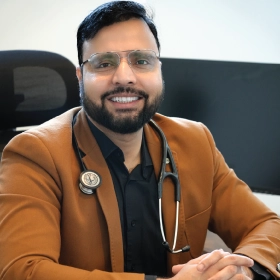
- Identification: You can always ask the doctor for their professional photo ID, which they carry at all times.
- Professional Standards: All our medical staff are AHPRA-registered and strictly follow RACGP home-visit guidelines.
- Privacy First: Patient records are transmitted using secure, encrypted systems that maintain confidentiality.
- Chaperone Policy: Patients can have a support person present during consultations.
Introduction: Prioritising Trust in After-Hours Care
When a healthcare professional comes to your home, trust is paramount, especially if it is late at night. At 13CURE, we understand that patient physical and data safety are critical to home doctor visits.
The issue of safety during home doctor visits has many facets. Doctors meet professional registration requirements under Australian healthcare regulations. In addition, patients are kept fully informed; this document delves into these aspects, among others.
Doctor Identification & Verification
Initiating a doctor visit with a patient at home is not considered safe unless the practitioner's identity is first confirmed. You have the right to verify a clinician's credentials before they enter your home.
1. Professional Credentials
General practitioners who partner with 13CURE are all fully qualified and registered with the Australian Health Practitioner Regulation Agency (AHPRA). They practice in accordance with the Good Medical Practice Code of Conduct to ensure safe and ethical clinical care.
2. Visual Identification
When meeting you at your home for the first time, the doctor will provide you with a visual identification, such as a professional photo card. Most of the time, they will be dressed in the company-branded uniform or at least a medical-style shoulder bag with the company logo. If in doubt, call our triage centre to obtain the doctor's name and verify that they are the person coming to your house.
3. Requesting Specific Preferences
We acknowledge that patients have different needs, including the possibility that they prefer a female doctor. Depending on the doctor's availability, patients may request a female doctor to support their emotional safety and comfort during the assessment.
You can learn more about patient rights and safety at the Australian Commission on Safety and Quality in Health Care.
Data Privacy & Consent: Protecting Your Information
Currently, more facets of our lives, including health care, move online, making medical safety no longer confined to the room. Your health records are among the most sensitive pieces of data and require the highest level of security.
Encrypted Health Records
13CURE after-hours urgent care service is secure and complies with the provisions under the Privacy Act 1988. Medical notes recorded during consultations are stored in secure, encrypted systems. Only authorised medical personnel may access your records, in line with our privacy policy.
Informed Consent
The doctor explains what will happen and obtains your informed consent before conducting any examination or clinical assessment. You are entitled to ask the doctor to explain any procedure to you, and you are also entitled to turn down any part of the physical examination. We hold and believe that an informed patient is a safe patient. These practices adhere to Australian clinical and ethical standards and healthcare quality compliance requirements.
Physical Safety Protocols: A Shared Responsibility
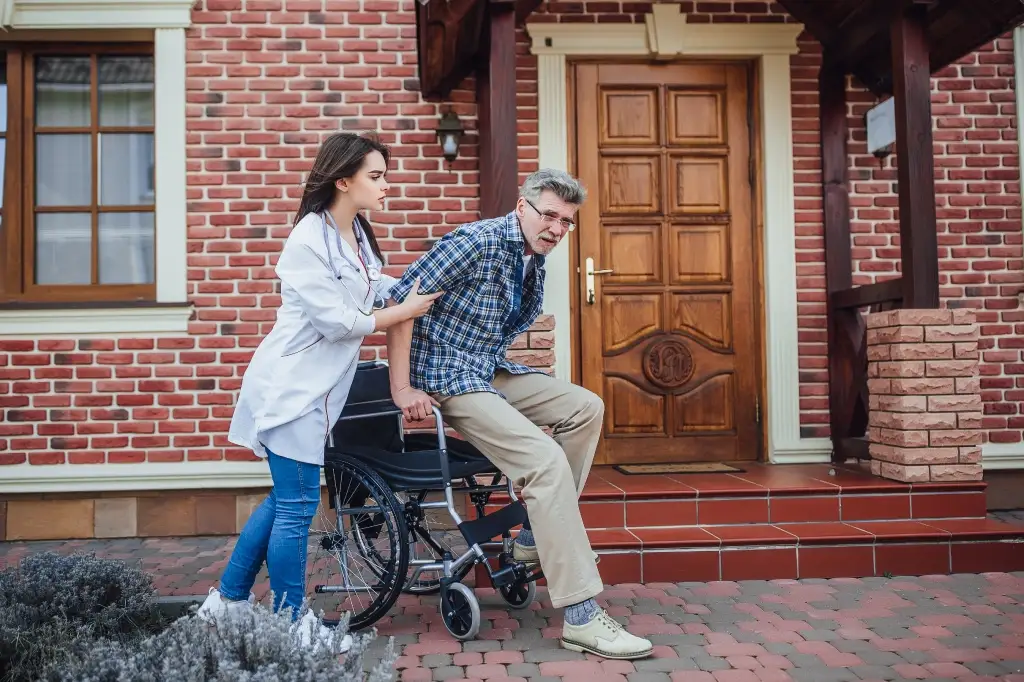
Healthcare providers, patients, and caregivers should all contribute to creating a safe, efficient clinical environment. Before the doctor arrives, the patient can prepare by following these tips. In addition to helping the doctor focus entirely on the patient, these actions also help maximise the value of the doctor's visit.
1. Managing the Environment
Ensure the path from your door to the patient's seat is well-lit and is free of obstacles that could hinder the patient's or doctor's movement. Good lighting can assist the doctor during visual examination by enabling them to evaluate multiple symptoms on the patient's skin and other body parts.
2. Pet Management
Although pets are our best friends, they can also pose a hazard or be a distraction during a medical procedure. For patients' safety during a home doctor visit, please confine pets to a separate room until the consultation concludes and the doctor has departed.
3. Chaperones and Support
We strongly recommend that the patient's partner, parent, or friend be present in the room during the doctor's visit. For one, it is an additional safety measure for both the patient and the doctor. Secondly, there will be somebody else who has the doctor's words and can remind the patient what to do and when to do it after the visit.
Find out more about NSW Health: Patient Privacy and Rights.
Compliance and Clinical Integrity
Our home doctors comply with the Therapeutic Goods Administration (TGA) safety guidelines, which prohibit them from carrying high-risk medications. They conduct home visits with a standard medical kit limited to diagnostic and stabilising tools. Indeed, their only concern is the clinical safety of their patients; that is, supporting patient assessment until follow-up with the regular GP. This ensures the focus remains on clinical safety, and home doctors can prescribe acute medications like antibiotics rather than drugs of addiction if medically appropriate.
Continuity of Care: The Safety Net
Safety continues after the doctor leaves your home. A hallmark of the Australian healthcare system is the "Medical Home" concept. To support this, our doctors ensure that after-hours GP services and your regular GP are linked by providing a summary of the visit to your primary clinic within 24 hours.
Conclusion: A Secure Approach to Home Healthcare
You cannot put a price on the peace of mind that comes from knowing everything is in order. 13CURE brings after-hours care to the doorstep of its patients in NSW, delivered in accordance with Australian healthcare standards by AHPRA-registered professionals, with secure data management and transparent identification.
Related articles
Home Doctor Services in Australia: What After-Hours GP Home Visits Can Help With
5 min readBooking a Home Doctor Visit Online in Australia After Hours
5 min readBulk Billing for Home Doctor Services in Australia During After-Hours GP Home Visits
8 min readCommon Illnesses Home Doctors Treat During After-Hours GP Home Visits in Australia
6 min readHome Doctors for Kids During After-Hours GP Home Visits in Australia
7 min readSafety During Home Doctor Visits in Australia: What Patients Should Expect
7 min readWhat Happens During a Home Doctor Visit in Australia: Step-by-Step Patient Guide
5 min readBenefits of Home Doctor Visits for Seniors in Australia: Comfort, Safety, and Accessibility
6 min readCan Home Doctors Prescribe Medication in Australia During a Home Visit?
7 min readHow Home Doctors Coordinate with Your Regular GP in Australia for Continuity of Care
6 min readHome Doctor Visits vs Clinic Consultations in Australia: Key Differences for Patients
7 min readRequesting a Female Doctor for a Home Visit in Australia: What Patients Should Know
7 min readHome Doctor Visits in Major Cities Across Australia: After-Hours GP Home Visit Availability
6 min readDaytime vs After-Hours Home Doctor Visits in Australia: Understanding When Each Service Is Available
5 min readContinuity of Care with Home Doctor Visits in Australia: Supporting Ongoing Patient Care
7 min readNeed a doctor after hours
Our team is available 24/7 for bulk billed home visits across Australia.