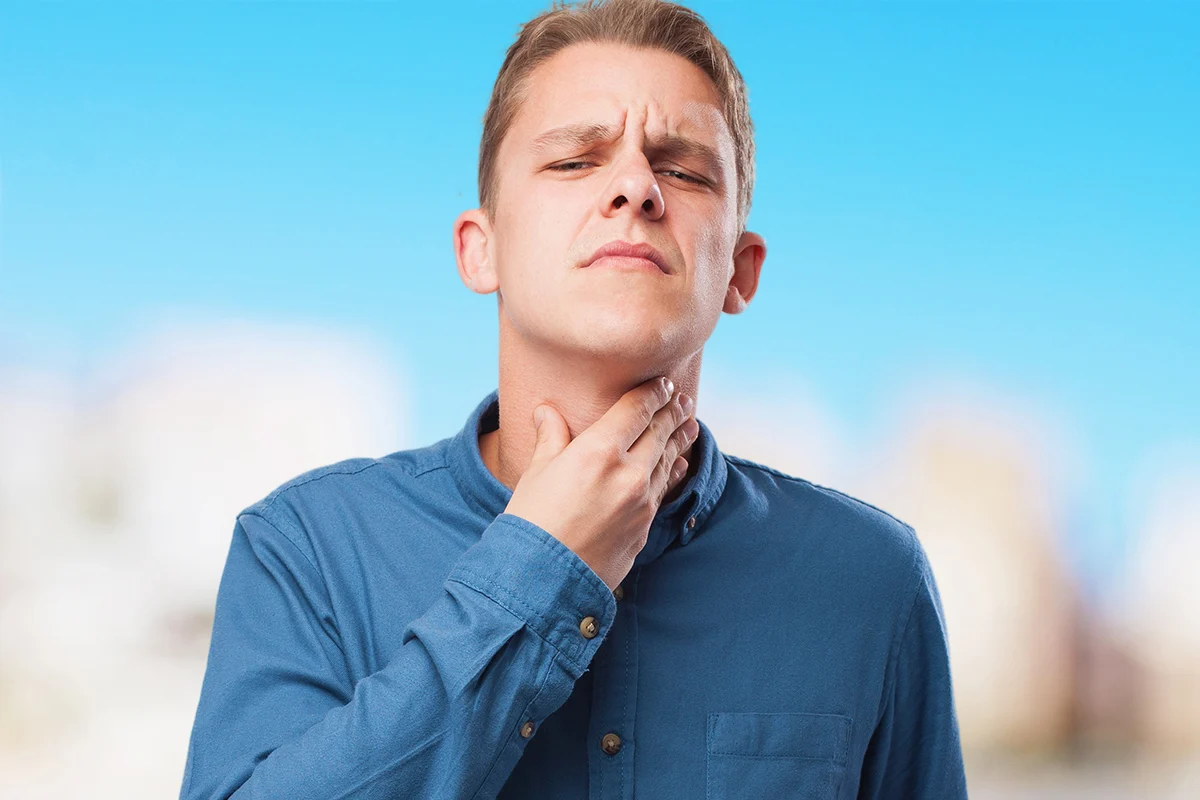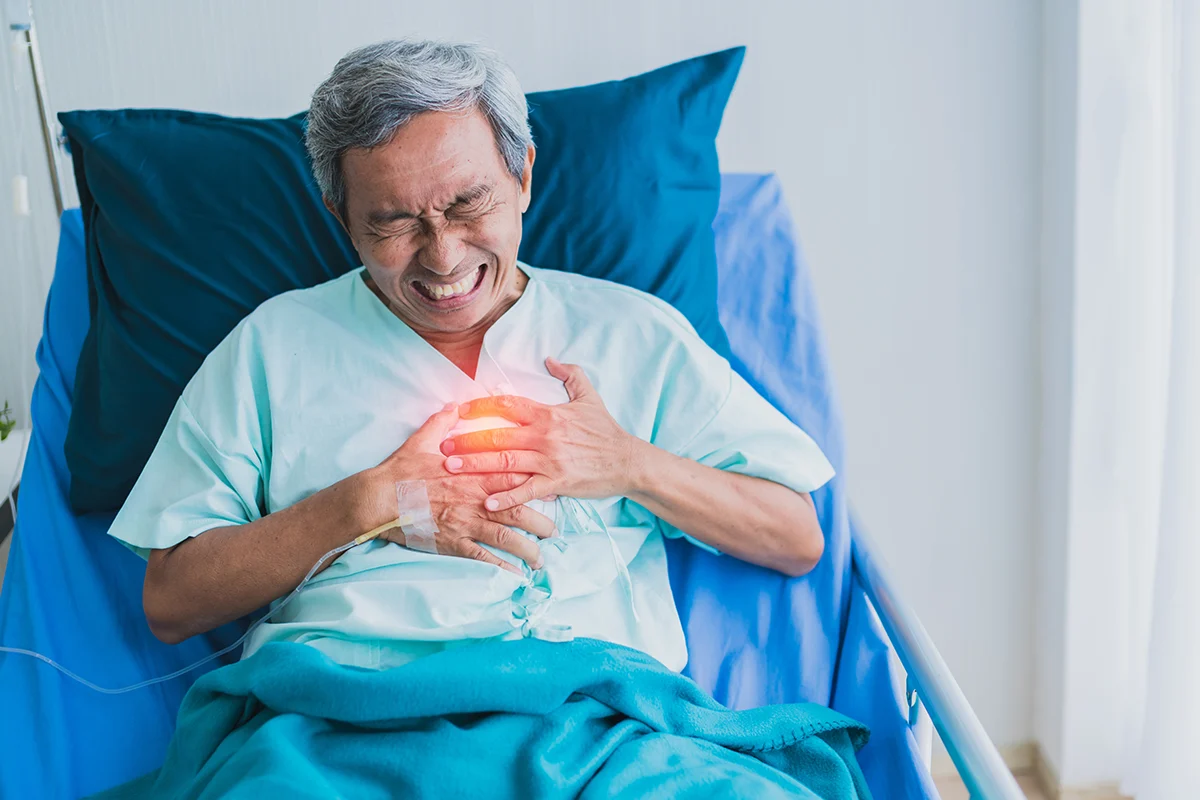
If you are reading this because your chest hurts right now, start here: chest pain is the one symptom nobody should try to work out alone. Not you, and not an article. Doctors cannot tell a heart attack from a muscle strain by listening to a description either - they need an ECG and a blood test. This page explains what chest pain can mean, not whether yours is safe. For a non-urgent follow-up once you have been assessed, an after-hours GP consultation or a telehealth appointment is available outside clinic hours.
|
Call 000 now if
Do not drive yourself. Ambulances carry staff and equipment that can start treatment on the way, and that time matters. If you have any doubt at all, call. Being sent home after an assessment is a good outcome, not an embarrassing one. |
The symptoms people do not expect
Hollywood taught everyone the wrong version. Most heart attacks do not involve someone clutching their chest and collapsing. The Heart Foundation lists chest pain, arm or shoulder pain and shortness of breath as the common signs, alongside less familiar ones - feeling sick, sweaty or dizzy, pain in the back, neck or jaw. Those quieter heart attack warning signs are particularly common in women, part of why women delay calling.
Discomfort is the word many people use afterwards. Not pain. A heaviness, a pressure, a band around the chest. If you are waiting for it to hurt properly before you act, you may be waiting for something that never arrives.
Why does my chest hurt? The common causes
Chest pain has a long list of possible causes, and only some of them involve the heart.
- Heart - heart attack, angina, inflammation of the heart muscle or lining
- Lungs - clot on the lung, pleurisy, pneumonia, collapsed lung, asthma
- Digestive - reflux, oesophageal spasm, gallbladder or pancreas problems
- Muscles, ribs and joints - strain, costochondritis, bruised or cracked ribs
- Nerves and skin - shingles, which burns for days before any rash appears
- Anxiety and panic - genuinely painful, and diagnosed only after the dangerous causes are excluded
Some non-cardiac causes are emergencies too. A clot on the lung and a collapsed lung both present as chest pain and both need an ambulance - another reason the heart-or-not question is the wrong one to be asking at home.
Pain in the middle of the chest
Central chest pain is the classic cardiac location. It is also where reflux sits, where oesophageal spasm sits, and where costochondritis often sits. An aching pain in the middle of the chest tells you very little on its own.
What narrows it down is the pattern around it. Pain that comes on with exertion and eases with rest is treated as cardiac until proven otherwise. Pain that burns after a meal or lying flat leans towards reflux. Pain that is sharp, reproducible when you press the spot and worse when you twist is more likely musculoskeletal. Leans towards. Not proves.
Chest pain left side and right side chest pain
Here is the belief that costs lives: left side means heart, right side means something harmless. It is wrong in both directions.
Cardiac pain is most often central or slightly left, but it can sit on the right, be felt only in the jaw or arm, or present as back pain with no chest symptom at all. Meanwhile plenty of left-sided pain is muscular, reflux or anxiety.
Right-sided pain has serious causes of its own - a clot on the lung, pneumonia, pleurisy, gallbladder disease. The side is one of the least useful pieces of information you have, and the one people lean on hardest.
Chest tightness and pain
Tightness, pressure, squeezing, a weight on the chest - these carry as much weight as sharp pain, sometimes more. People report them as discomfort rather than pain, then wait, because they are not sure it counts. It counts. The 10-minute rule applies to tightness exactly as it does to pain.
Chest pain after eating, exercise or coughing
The trigger is useful information, though not a verdict.
After eating leans towards reflux, particularly with a sour taste or burning climbing towards the throat. After exercise is the one to take most seriously, since pain brought on by exertion is the hallmark of angina - if it is new, that warrants assessment the same day. After coughing, a chest infection or strained chest wall muscle is common. After a fall or heavy lift, a rib or muscle injury is likely. If reflux has already been diagnosed and this is your familiar pattern, a bulk billed telehealth appointment is a reasonable way to review it after hours.
When it is not an emergency but still needs a doctor
Some chest pain can wait for an appointment rather than an ambulance. Mild discomfort already investigated and matching your known pattern. A pulled muscle after an obvious strain. Reflux you have had for years.
Even then, see someone. Pain that keeps returning, or has changed in character, deserves a proper look - an old pattern can be joined by a new one.
Where 13CURE fits
Honestly: mostly it does not. Acute chest pain belongs with an ambulance and an emergency department, and no after-hours service replaces that. 13CURE can help with the quieter end - reviewing a known reflux or musculoskeletal pattern, or following up after you have been assessed. Bookings run Monday to Friday 6pm to 8am, Saturdays from 12pm, and 24 hours Sundays and public holidays. Consultations are bulk billed for eligible Medicare and DVA cardholders - the bulk billing GP page covers eligibility, and a home doctor visit may be available depending on location, listed on the areas we cover page.
| For a non-urgent concern, book a consultation online or start a telehealth booking. For chest pain that is new, severe, or lasting more than 10 minutes, call 000 instead - not us. |