
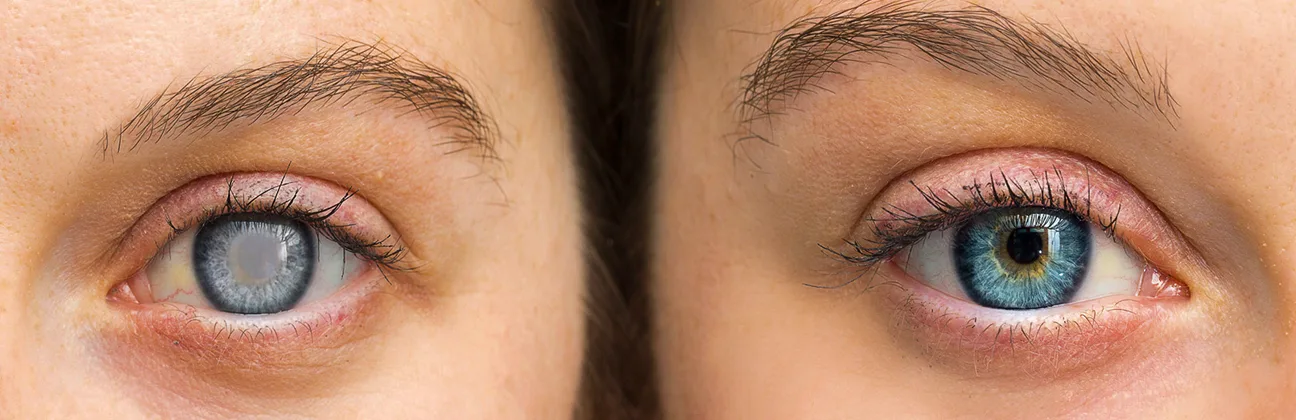
According to the Australian Bureau of Statistics, more than 13 million people (more than 55% of the population) live with one or more long-term conditions that affect their vision. Both glaucoma and cataracts are common ocular conditions that can cause vision impairment and discomfort. While the symptoms of these two conditions share some similarities, it's essential to recognise each, as their causes and treatments differ. In this article, we explore glaucoma and cataracts, highlighting what each condition is, how symptoms present, and the treatment options available to medical professionals.
What is Glaucoma?
Glaucoma is caused by increased intraocular pressure, which damages the optic nerve. This fluid buildup usually occurs when the natural outlet of your eye is blocked. There is no conclusive explanation for this blockage, but some experts suggest it may be hereditary. Rarer causes of glaucoma include damage from a traumatic or chemical eye injury, blocked blood vessels or a complication from an unrelated eye operation. While it can affect people at any age, it's most common among adults in their 70s and 80s.
What are the Symptoms?
People with glaucoma often don't tend to know they have it, as it can develop slowly over a long period of time. When symptoms do start to appear, they can include loss of peripheral vision, blurred vision, or coloured rings around bright lights. In some cases, more severe symptoms may develop, such as acute eye pain, illness, and headaches, or red, tender eyes. We strongly recommend consulting your doctor if you suspect you may have glaucoma. With medical intervention, it's a manageable condition, but if left untreated, it can ultimately cause permanent sight loss.
What are Cataracts?
Cataracts are small, cloudy patches that develop on the part of your eye known as the lens. These patches are caused by excess proteins accumulating in the eye. Age-related cataracts occur in older adults, whereas other types, such as congenital cataracts, are present at birth and typically result from infection or poor fetal development. Secondary cataracts present as a complication of different medical conditions, such as diabetes, while traumatic cataracts can develop following a traumatic eye injury.
What are the Symptoms?
Symptoms of cataracts include double vision, sensitivity to glare from headlights when driving at night and changes to the way you see colour. The lens of the eye can become brownish-yellow, which can alter and sometimes dull vision. Treatment often involves surgery, in which the affected lens is replaced with an artificial one.
What should I do if I think I might have an eye condition?
Consult your doctor, who can perform a routine exam and organise the appropriate course of treatment. Our medical professionals are highly experienced and can quickly distinguish between glaucoma and cataracts to make an accurate diagnosis. We can arrange home visits seven days a week and cover areas across New South Wales and Queensland. You can register with us and book an online appointment today