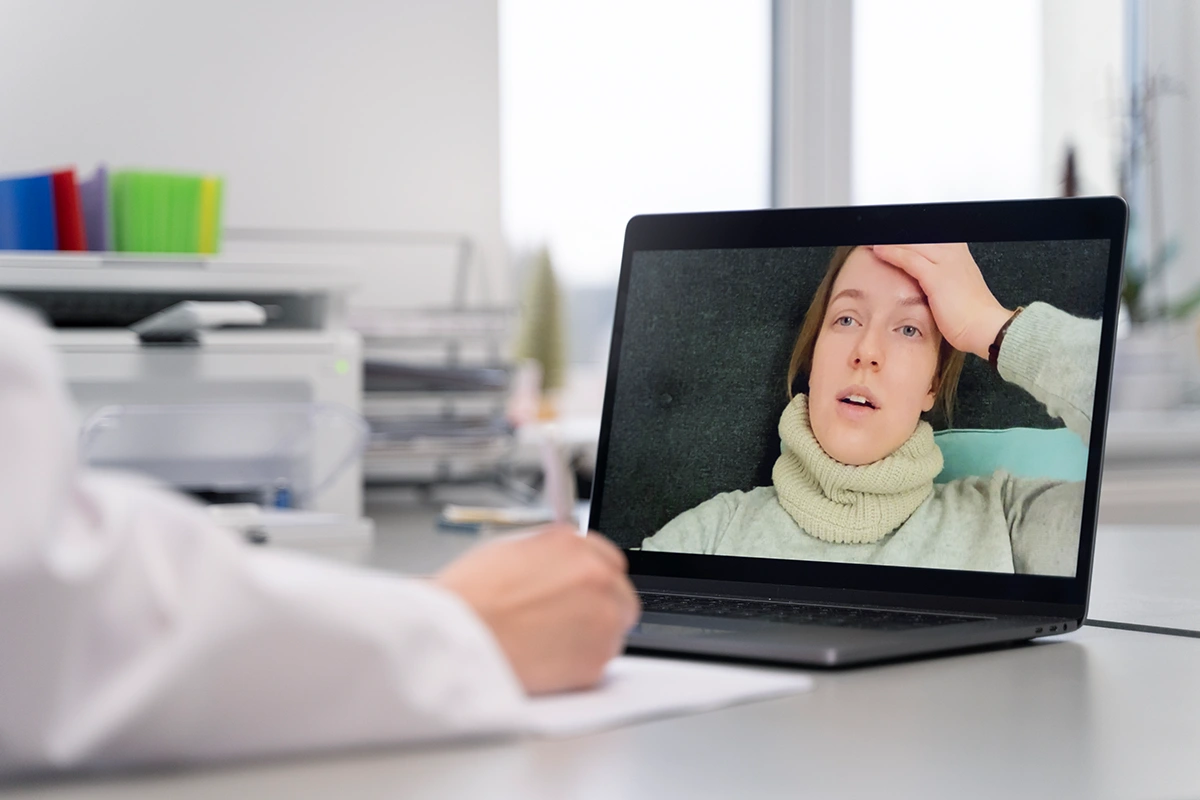

The Role of Fever in Fighting Infections
A fever is a body temperature that is higher than usual. It's your body's immune response to a foreign invader. Any time a bacterium, virus, or other antigen gets into your body, the immune system goes to work to kill it. Fever symptoms are actually a sign that your body is trying to heal you. If a fever doesn't get too high, it is beneficial and helps keep you healthy.
Most often, we think of fevers as something that happens to children when they have a cold or the flu. But adults can get fevers, and some are more serious than others. In children and adults, the type of fever determines whether you should call the doctor.
What Constitutes a Fever? Understanding Body Temperature
Many people mistakenly believe that everyone's normal body temperature is 98.6 F (37 C). This number is an average that may be higher or lower than your normal body temperature. If your temperature is usually around 97 F (36.1 C), a temperature of 99 F (37 C) might feel much more uncomfortable than for someone with a normal body temperature of 98 F (37 C).
The seriousness of a fever also depends on the person's age. Medically, a person isn't considered to have a severe fever unless their temperature is above 100.4 F (38 C). Any child under three months old with a temperature above normal should see a doctor. You can usually wait until the next day, provided the temperature doesn't rise further. Babies can't tell you if they have any symptoms other than fever. Any infant who is younger than six weeks old should see a doctor immediately.
Parents often face challenges in deciding when to take their infants to the doctor for a fever. The condition may occur at night or on weekends. In young patients, a fever may indicate a serious condition. Don't ever delay seeking immediate medical attention for your infant if the fever occurs after office hours. It's better to seek professional care from an experienced physician now rather than wait until their paediatrician is in.
When to Seek Medical Advice for a Fever in Adults
Adults typically don't require medical treatment for a fever unless it reaches 103 F (39.4 C) or higher. Most fevers go away on their own or with treatment within a few days. You may experience additional symptoms alongside the fever, depending on the cause. For example:
- Chills & Shivering
- Sweating
- Muscle Aches
- Headache
- Loss of Appetite
- Vomiting
- General Weakness
- Dehydration
- Irritability
These are common symptoms of flu and other viruses. In healthy adults whose temperature never exceeds 103 C, the temperature and other symptoms should resolve within a few days. However, individuals with existing health conditions should consult a physician to prevent complications and rule out serious causes.
Also, experiencing severe throat swelling, headache, stiff neck, chest pain, rash, or vomiting that lasts more than three days is cause for concern.
The Three Major Types of Fever and Their Implications
There are three significant types of fever:
- Sustained or Continuous: A continuous or sustained fever does not fluctuate by more than 1 C or 1.5 F over 24 hours while also not falling to normal.
- Intermittent: An intermittent fever only occurs over a period of several hours during the day.
- Remittent: A remittent fever fluctuates in excess of 2 C without ever falling to normal.
The type of fever you have gives your doctor a clue as to the cause. You should take your temperature regularly and keep a record of when it and other symptoms occur. If your condition worsens or doesn't improve, this information will help your doctor diagnose the cause of your symptoms more quickly.
How to Accurately Take Your Temperature
There are several types of thermometers available today for taking temperatures. You can measure the temperature on the forehead, under the tongue, in the ear, or with a rectal thermometer. You should keep a thermometer on hand whenever someone in the family has a fever. Never trust that placing your arm against their forehead is a reliable predictor of their condition.
Always take an infant's temperature using a rectal thermometer. The guidelines for determining when an infant has a severe fever are based on rectal temperature readings.
Place your baby on their tummy and apply a dab of petroleum jelly to the thermometer tip. Insert the lubricated end about 1.3 to 2.5 cm into their rectum. Hold the bulb in place while keeping your baby still for three minutes. Always keep a firm grip on the thermometer.
Most fevers in infants aren't severe, but some additional symptoms are cause for concern. If your baby is irritable or listless or vomits repeatedly, complains of a stomach ache or headache, or has any other feelings of discomfort, seek medical attention immediately.
A fever shouldn't last longer than three days. If your baby's fever continues and/or they are listless and have poor eye contact, see a doctor right away.
Recognising Other Problematic Symptoms in Adults
Fever symptoms are more concerning in infants and young children than in adults. Still, additional symptoms may indicate a more serious condition.
These include:
- Severe headache
- Stiff neck and/or pain when you bend forward
- Chest pain
- Difficult breathing
- Sensitivity to light
- Skin rash, especially one that worsens
- Persistent vomiting
- Convulsions or seizures
Why Delaying Medical Attention for a Fever Can Be Risky
Fevers of 103 F (40 C) are high. The problem is that when you decide to tough it out until the fever breaks, it might go even higher. Those that reach 104 F (40 C) or higher are dangerous and require prompt medical treatment. When a fever goes higher, it can cause convulsions and death.
The problem with fevers in children and adults is that you don't know for certain what causes them. Treating temperatures in healthy people isn't always a good idea. It can reduce the body's ability to fight the infection.
In children, vaccinations can cause fever without causing illness. A child with a fever who isn't experiencing any signs of discomfort is likely okay. But most parents aren't comfortable deciding whether their child's fever is severe. Too often, adults put off seeking advice about their conditions and their children's because it is inconvenient.
13CURE gives you more options to get trusted medical care when you need it. Our doctors are the very best in their respective fields, and they provide the urgent care you need at night, over the weekend, and even during holidays. Contact us to learn more about our services and how we provide peace of mind.