
The Discovery of Antibiotics: A Historical Overview
Almost 100 years ago, Scottish Physician Alexander Fleming was conducting experiments with staphylococcal bacteria when he observed that penicillin effectively destroyed the harmful microbes. A slow process began, and penicillin was finally mass-produced as an infection-fighting drug just before the outbreak of WWII. It became known as the 'wonder drug' and is credited with saving many lives throughout the Second World War. Fleming's work was recognised with the 1945 Nobel Prize, which accelerated research that led to the development of additional antibiotics throughout the 1940s and 1950s.
How Antibiotics Work to Fight Infections
Our bodies are well equipped to look after themselves, and we have an immune system that protects us against harmful germs we're exposed to. It does this by identifying unknown substances and mobilising white blood cells to fight any infection they might cause. In some instances, the immune system can be overwhelmed and requires additional support to overcome harmful bacteria that proliferate in the body.
This is when antibiotics can be used to treat infection. They work either by killing existing bacterial cells or by preventing the organisms from multiplying and spreading throughout the body.
When Antibiotics Are Effective and How to Use Them Properly
Antibiotics help to fight and clear up several common infections, including:
- Conjunctivitis
- Bacterial skin infections like Impetigo
- Strep Throat
- Sexually Transmitted Infections (STIs) such as Chlamydia
- Urinary Tract Infections
Your doctor usually prescribes antibiotics for oral (tablet) or topical (cream, ointment, or spray) administration. You'll typically complete a course of treatment in seven to 14 days. If your symptoms persist, contact your doctor or arrange a GP visit at home for a consultation.
Situations Where Antibiotics Are Not Effective
Viral infections cannot be treated with antibiotics. Common viral infections include influenza, pneumonia, and warts, which require different types of medical treatment. A phenomenon known as 'antibiotic resistance' is also becoming more common, and drugs that have long been used to treat well-known infections are being rendered ineffective.
Understanding Antibiotic Resistance and Its Impact
Antibiotic resistance occurs when bacterial cells adapt and mutate to become resistant to antibiotics. This means that certain conditions are becoming increasingly complex for physicians to treat. Resistance to antibiotics is a natural phenomenon, but it's believed that the overuse and unnecessary administration of antibiotics in humans and animals worldwide accelerate the process. This has led to the emergence of so-called 'superbugs' like MRSA and a drug-resistant strain of tuberculosis, which can be life-threatening. As a population, there are measures we can take to help slow the rate of antibiotic resistance.
Ways to Reduce Your Dependence on Antibiotics
There are several measures we can take to help antibiotics remain effective for as long as possible.
Practising Good Hygiene to Prevent Infections
The Importance of Safe Sex in Reducing Infections
Condoms help to protect against STIs and reduce their transmission. A lot of health organisations provide condoms so speak to your doctor if yo'd like to know more about free contraception
Boosting Your Immune System Health
Maintaining a strong immune system will give your body the best chance of naturally fighting off infections as they arise. You can help your immunity by eating a diet rich in nutrients such as fruit and vegetables, taking regular exercise and getting good quality sleep each night.
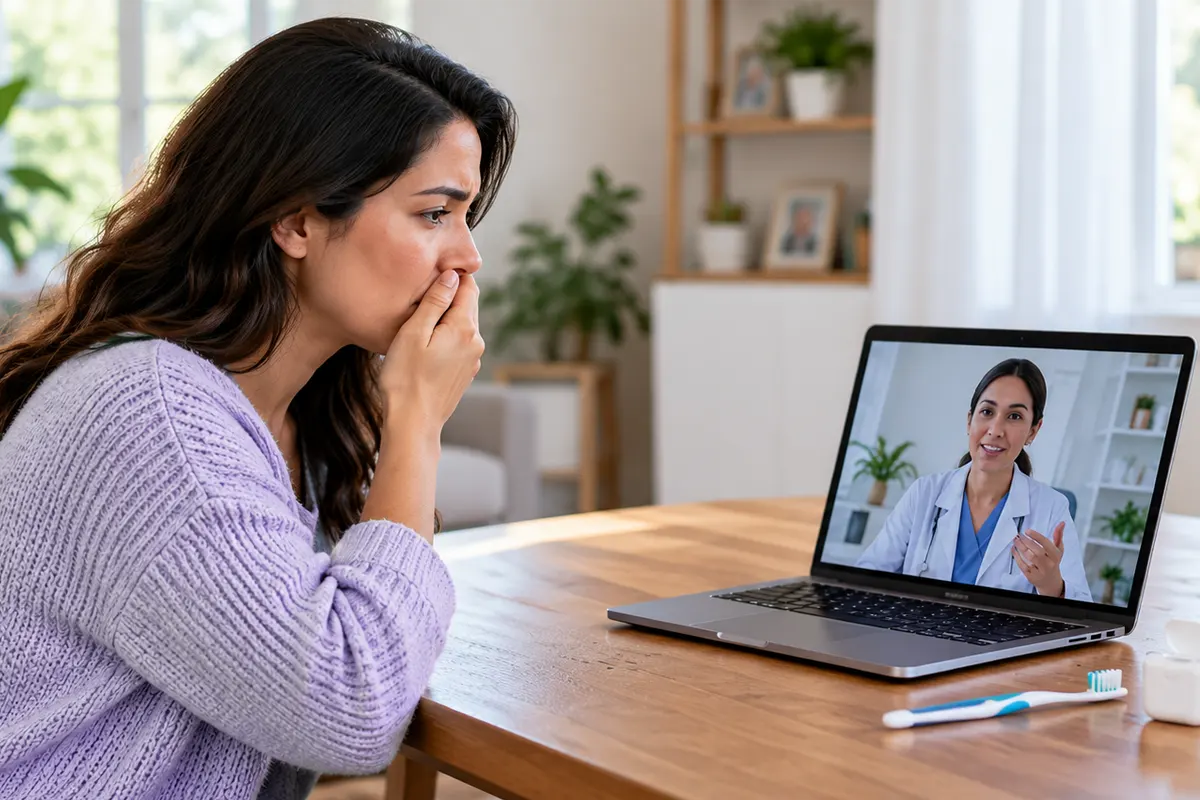
Why Strategic Medical Advice is Key to Well-being and Antibiotic Use
You do to diagnose a suspected infection and determine whether you need a course of antibiotics. They can also recommend strategies to maintain your health and well-being and reduce the risk of disease. We work with GPs across all Australian states, and you can make an appointment through our online service today.